Planning a summer escape to the mountains of British Columbia? Whistler is far more than a winter ski destination. When the snow melts, the landscape opens into a vibrant alpine playground of lakes, trails and cultural events, all set against dramatic mountain backdrops. Summer in Whistler invites travellers to slow down, stay longer and explore deeper, whether you are travelling with family, friends or as part of a wider Canadian journey.
With thoughtfully designed itineraries and flexible pacing, Entire Travel Group makes it easy to experience Whistler in a way that suits your travel style. Before you go, here is what to expect and how to make the most of a Whistler summer holiday.
Trip Highlights
- Ride the PEAK 2 PEAK Gondola for panoramic views of alpine peaks and glaciers
- Swim, picnic or paddle at Whistler's glacier fed lakes and forest parks
- Explore the Valley Trail network by bike, linking villages, lakes and scenic lookouts
- Experience Whistler's summer events, markets and free open air concerts
- Enjoy easy access to hiking, wildlife viewing and guided outdoor adventures
Why Summer in Whistler Feels Different
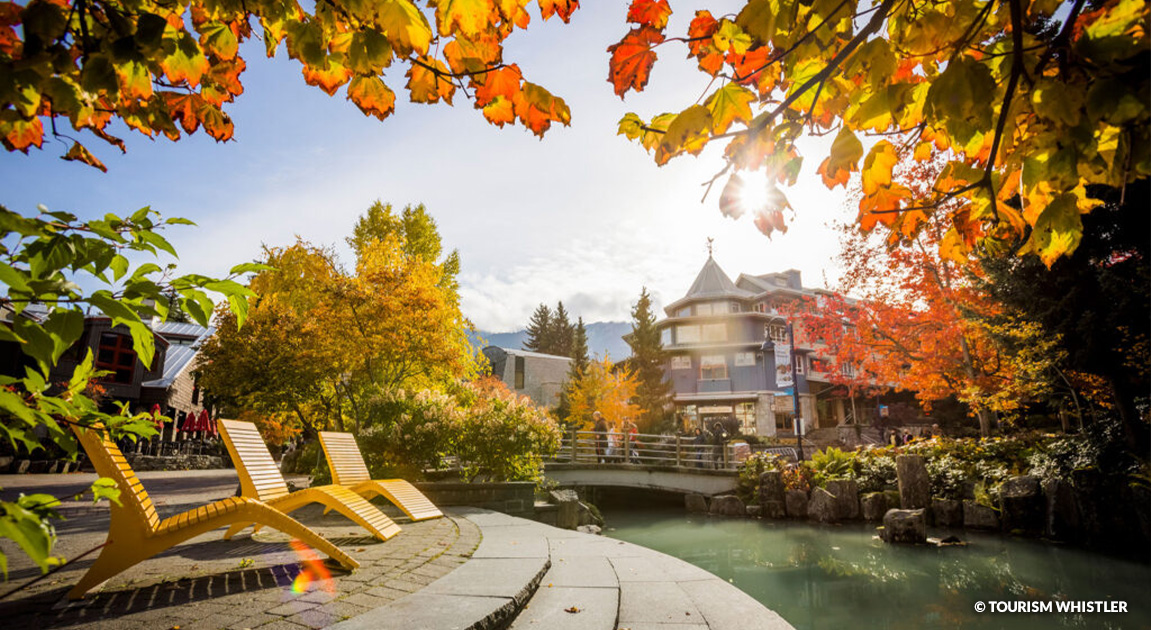
Whistler in summer has a distinctly relaxed energy. Après still exists, but it shifts from ski boots to lakeside patios and village strolls. Days are long, temperatures are mild and the mountains feel more approachable, inviting exploration rather than demanding it.
Unlike a quick day trip, staying several nights allows you to settle into the rhythm of the village, balance activity with downtime and discover lesser known corners beyond the main attractions.
When to Visit and How Long to Stay
Midweek Travel Makes a Difference
Weekends and public holidays tend to be busier, especially around popular lakes and parks. Travelling midweek often means fewer crowds, better accommodation availability and more flexibility with dining and activities. Longer stays also unlock better value, with some properties offering reduced nightly rates the longer you remain.
Seasonal Conditions to Know
Alpine hiking trails typically become fully accessible from mid July onwards, depending on snowfall. Earlier in summer is ideal for valley walks, lake activities and sightseeing, while late summer offers peak hiking conditions and a full calendar of events. For those planning broader Canadian adventures, the best places to visit in spring offer excellent alternatives during shoulder seasons.
Getting Around Whistler Without a Car
One of Whistler's greatest strengths is how easy it is to explore without driving. Once you arrive, parking the car and switching to walking, cycling or local transport makes the experience more relaxed and immersive.
The Valley Trail Network
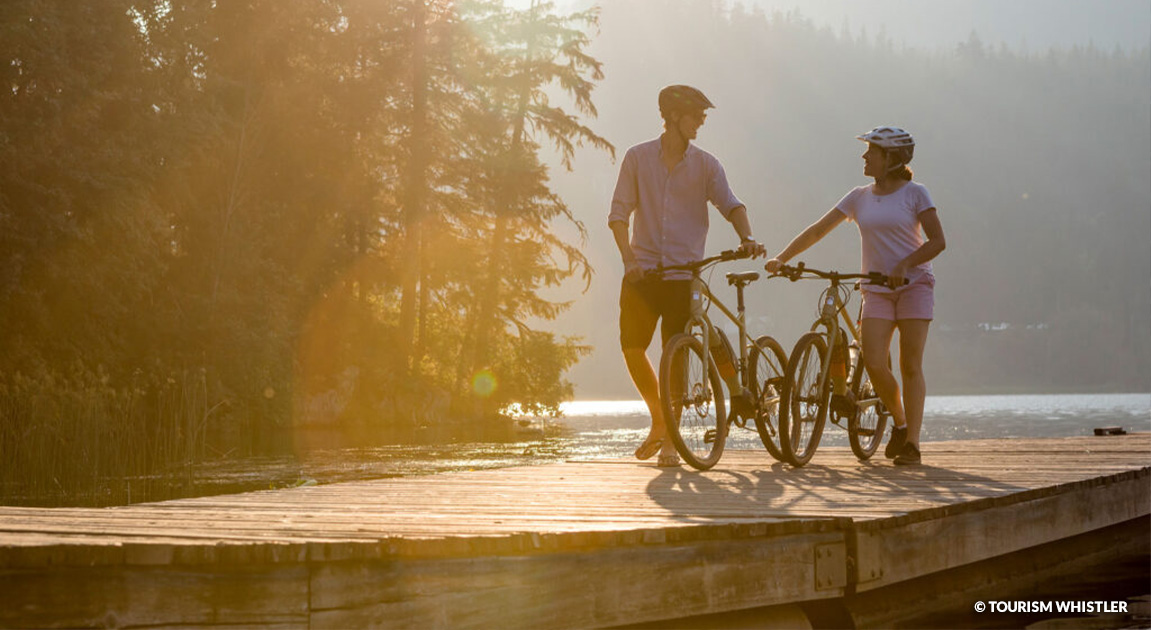
The Valley Trail is a 46 kilometre paved system that connects Whistler Village with lakes, parks and neighbourhoods such as Creekside and Function Junction. Renting a bike or e bike allows you to move freely while enjoying the scenery along the way.
Shuttles and Village Access
Free seasonal shuttles operate between Whistler Village and popular lake areas such as Lost Lake and Rainbow Park. Secure bike valet stations also operate in peak areas, making it easy to combine cycling with walking.
Outdoor Experiences to Book Ahead
While Whistler has a spontaneous feel, some summer experiences are best organised in advance due to limited capacity.
Guided Adventures
Guided hiking, mountain biking, canoeing and wildlife viewing tours provide access to local knowledge and hidden spots. Bear viewing experiences, in particular, are popular and benefit from early booking. Wildlife enthusiasts should explore Canada's best national parks, which offer incredible opportunities to see animals in their natural habitats.
Bike Rentals and Activities
Both downhill bike park access and casual valley cycling rentals can sell out during peak periods. Reserving equipment ahead of time ensures availability and saves time once you arrive.
Lakes, Parks and Responsible Recreation
Whistler's lakes and parks are a major summer drawcard. Lost Lake, Alta Lake and Green Lake each offer different experiences, from swimming and picnicking to paddleboarding and sunset views.
Visitors planning to hike in nearby provincial parks should check current access requirements, including any free day use pass systems and trail advisories. Following responsible recreation guidelines helps protect these environments and ensures safe enjoyment for everyone.
Dining and Village Life in Summer
Whistler's dining scene comes alive in summer with patios, food trucks and casual eateries complementing its established restaurants. Reservations are strongly recommended, particularly for venues with outdoor seating. The coastal towns of Canada offer similarly vibrant summer dining scenes, with fresh seafood and waterfront patios.
Village life extends well into the evening, with live music, events and a welcoming atmosphere that suits families and couples alike.
Events Worth Planning Around
Summer is festival season in Whistler. Highlights often include outdoor concert series, cycling events, trail running races and food focused festivals. Checking the local events calendar before you travel can help you align your visit with experiences that match your interests.
Expert Travel Tips
- Travel midweek for quieter lakes and better dining availability
- Book accommodation, restaurants and guided tours in advance during peak months
- Plan alpine hikes for mid to late summer once snow has cleared
- Use bikes and shuttles instead of driving to reduce congestion and stress
- Follow local fire restrictions and wildlife safety guidelines at all times
What Travellers Say
"Whistler in summer felt completely different to winter. We loved the slower pace, cycling everywhere and swimming in the lakes after a hike." – Emma L., 2023
"Staying longer made all the difference. We had time to explore beyond the village and really appreciate the mountains." – Daniel P., 2022
References
- Tourism Whistler Official Guide
- BC Parks Responsible Recreation Guide
- Government of Canada Travel Advice