Monaco and the Riviera Hinterland: Villages, Trails and Scenic Rail
Posted by on 25 Jul 2026
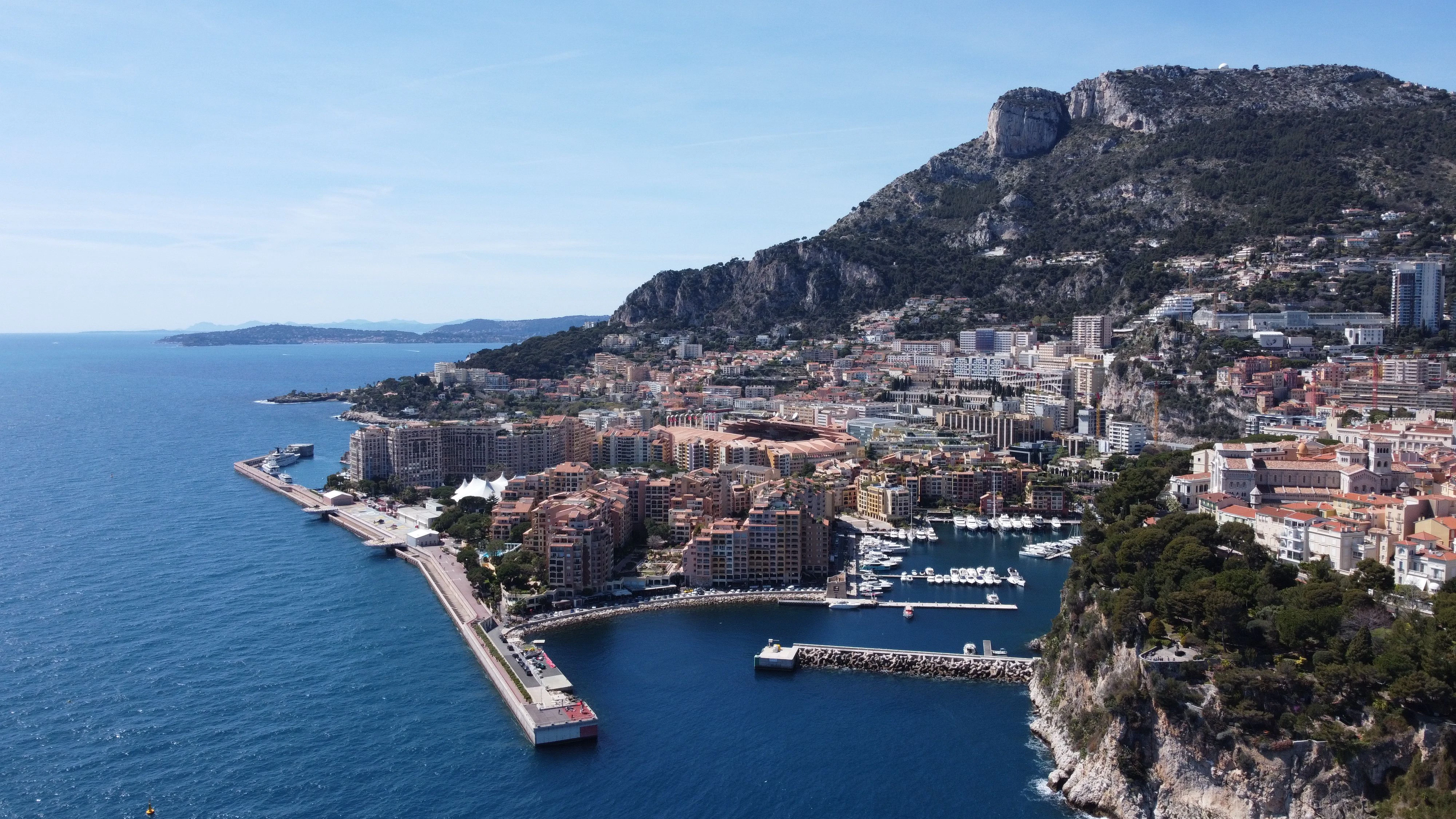
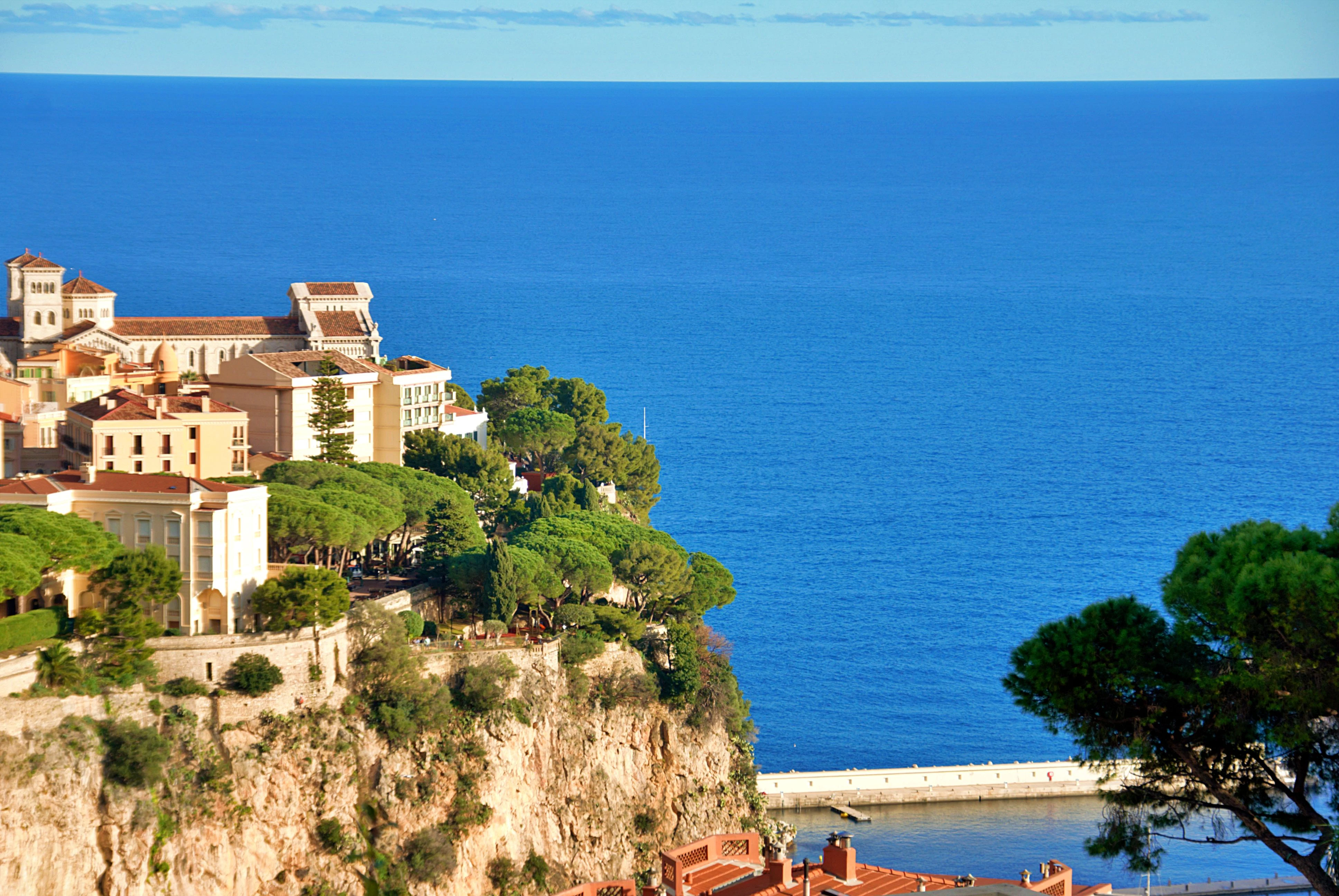
Monaco is often associated with luxury, yachts and grand events, yet its true value as a destination lies in its location. Positioned along the French Riviera, Monaco offers immediate access to a network of hilltop villages, coastal trails and regional rail routes that extend far beyond its compact borders. For travellers seeking depth and variety, the surrounding hinterland reveals a slower, more layered side of the region.
Exploring Monaco and the Riviera hinterland allows travellers to combine refined city stays with nature, history and local culture. Within a short train ride, the landscape shifts from coastal promenades to medieval villages perched above the sea. Walking trails connect these destinations, offering panoramic views and opportunities for quiet exploration.
For those interested in slow travel on the French Riviera, Monaco serves as an ideal base. Efficient rail connections make it easy to reach nearby towns, while inland routes provide access to lesser-known destinations. This approach transforms Monaco from a standalone stop into the starting point of a broader journey.
Fun Facts
Monaco is the world's second-smallest country, yet it sits at the centre of one of Europe's most diverse coastal regions.
The French Riviera railway connects Monaco with dozens of coastal towns between France and Italy.
Saint-Agnès, near Monaco, claims to be the highest coastal village in Europe.
The medieval village of Èze has attracted artists, writers and philosophers for centuries.
Many Riviera walking trails follow ancient pathways once used by traders and local communities.
Why Is Monaco One of the Best Bases for Exploring the French Riviera?
How Does Monaco's Location Make Regional Travel Easy?
Monaco’s position between France and Italy makes it an ideal starting point for regional exploration. While the city itself is compact, its proximity to surrounding destinations allows travellers to experience a wide variety of landscapes within a short distance.
Rail connections extend west toward Nice and east toward Menton, while inland routes lead to villages set within the hills above the coast. This accessibility defines Monaco travel itineraries that extend beyond the city.
Why Does Monaco Work Well for Slow Travel?
Monaco's compact size allows visitors to experience much of the principality on foot while using efficient rail connections to explore further afield. Instead of constantly changing accommodation, travellers can use Monaco as a comfortable base while discovering neighbouring destinations at a relaxed pace.
This approach aligns perfectly with the principles of slow travel, where meaningful experiences, regional culture and scenic journeys take priority over rushed sightseeing.
Which Hilltop Villages Should You Visit Near Monaco?
Èze: Medieval Streets and Coastal Views
Èze is one of the most recognised villages in the Riviera hinterland. Located above Monaco, it features narrow streets, stone buildings and panoramic views of the Mediterranean.
Walking through Èze offers insight into medieval architecture and local craftsmanship. Small galleries and cafés line the pathways, creating a relaxed yet culturally rich environment.
The village also serves as a starting point for walking routes that connect to the coast.
Saint-Agnès: A Quiet Alternative
Perched above Menton, Saint-Agnès offers a quieter alternative to more visited villages. Its elevated position provides expansive views of the coastline, while its streets maintain a slower pace.
Exploring Riviera hilltop villages such as Saint-Agnès introduces travellers to less crowded environments where daily life continues at a measured rhythm.
Roquebrune-Cap-Martin: History and Coastal Access
Roquebrune-Cap-Martin combines historical significance with proximity to the sea. Its medieval castle and old town reflect centuries of history, while nearby coastal paths connect it to Monaco and Menton.
This combination of inland and coastal features highlights the diversity of the Riviera hinterland travel experience.
Where Can You Find the Best Coastal Walks Near Monaco?
Which Coastal Trails Connect Monaco to Nearby Towns?
The Riviera coastline offers a network of scenic walking routes that allow travellers to experience the Mediterranean at a slower pace.
One of the most enjoyable stretches connects Monaco with Cap d'Ail, following pathways that hug the coastline and reveal hidden coves, dramatic cliffs and views across the sea.
Further east, walking routes near Menton showcase a blend of French and Italian influences while providing access to quieter sections of the coastline.
These trails allow travellers to appreciate details often missed when travelling solely by car or train.
What Can You Discover Beyond the Coast?
Moving inland reveals a very different landscape. Forested hills, terraced farmland and mountain viewpoints provide an appealing contrast to the Riviera's beaches and marinas.
Many inland paths connect villages such as Èze and Saint-Agnès, creating opportunities for longer walks that combine cultural discovery with natural scenery.
For travellers interested in active exploration, these routes highlight a side of the Riviera that remains relatively unknown compared to its coastal attractions.
Why Are Scenic Train Journeys One of the Best Ways to Explore the Riviera?
What Makes the French Riviera Railway So Scenic?
Rail travel along the Riviera is one of Europe's most enjoyable transportation experiences. Trains run directly alongside the Mediterranean coastline, connecting Monaco with destinations such as Nice, Villefranche-sur-Mer, Antibes, Cannes and Menton.
Large windows provide uninterrupted views of beaches, harbours, cliffs and colourful towns. Rather than simply moving between destinations, the journey itself becomes part of the travel experience.
This combination of convenience and scenery makes rail travel particularly attractive for visitors seeking a more sustainable and relaxed way to explore the region.
Which Riviera Destinations Are Easy to Reach by Train?
Nice is less than 30 minutes from Monaco and offers world-class museums, markets and architecture. Menton sits close to the Italian border and is known for its gardens, historic centre and slower pace.
Further west, travellers can reach Antibes and Cannes, while eastbound services provide easy access to Ventimiglia and other Italian Riviera destinations.
The ability to explore multiple towns without hiring a car is one of Monaco's greatest advantages as a travel base.
How Can Rail Travel Be Combined with Walking and Sightseeing?
One of the Riviera's unique strengths is the ease with which rail travel and walking can be combined. Travellers can arrive in a village or coastal town by train, spend the day exploring on foot and return to Monaco in the evening.
This flexibility encourages spontaneous discovery while reducing logistical complexity.
What Can You Experience in the Riviera's Local Markets and Food Scene?
Why Are Local Markets Worth Visiting?
Markets remain an important part of daily life throughout the Riviera. Fresh produce, regional cheeses, olives, seafood and artisan goods provide insight into local culture and culinary traditions.
Smaller markets in hinterland villages often feel more authentic than those found in larger tourist centres, offering opportunities to interact with local producers and residents.
How Does the Hinterland Differ from Coastal Dining?
While coastal towns are known for seafood, inland villages often showcase traditional Provençal and Mediterranean cuisine built around seasonal ingredients.
Menus frequently feature olive oil, herbs, vegetables, local cheeses and regional wines. Family-run restaurants provide opportunities to experience recipes and traditions that have been passed down through generations.
How Should You Plan a Monaco and Riviera Hinterland Itinerary?
How Many Days Do You Need to Explore Monaco and the Riviera?
A three to five-day itinerary allows travellers to experience Monaco while exploring nearby villages and coastal towns. Longer stays create opportunities to venture deeper into the hinterland and include additional walking routes or rail journeys.
What Is a Good Travel Flow for First-Time Visitors?
Many travellers begin in Monaco before exploring Èze, Roquebrune-Cap-Martin and Menton. Additional days can be dedicated to Nice, Saint-Agnès or Italian Riviera destinations accessible by rail.
This combination balances culture, scenery and relaxation while showcasing the diversity of the region.
Expert Travel Tips
Travel in spring or autumn for comfortable temperatures and fewer crowds across villages and walking trails.
Use regional rail services to move efficiently between Monaco and neighbouring destinations without needing a car.
Wear comfortable walking shoes, as many villages feature steep cobbled streets and uneven surfaces.
Start coastal walks early during warmer months to avoid midday heat.
Allow time for smaller villages and local markets where regional culture is often most visible.
Frequently Asked Questions
Is Monaco a good base for exploring the French Riviera?
Yes. Monaco's central location and excellent rail connections make it one of the most convenient bases for regional exploration.
Can I travel between Riviera towns by train?
Yes. Frequent rail services connect Monaco with Nice, Menton, Cannes, Antibes and Italian Riviera destinations.
Are the walking trails suitable for beginners?
Many coastal routes are suitable for casual walkers, while some inland trails require moderate fitness.
What is the best time to visit the French Riviera?
Spring and autumn offer pleasant weather, excellent walking conditions and fewer crowds than summer.
How many days should I spend in Monaco and the surrounding region?
Three to five days is ideal for first-time visitors, while longer stays allow for deeper exploration.
Are hilltop villages crowded year-round?
Popular villages such as Èze can become busy during peak periods, while destinations such as Saint-Agnès often remain quieter.
Can Monaco be combined with Italy?
Yes. Monaco's location makes it easy to combine the French and Italian Riviera within a single itinerary.
References
Discover the Riviera Beyond Monaco
Monaco's greatest strength lies not simply in what exists within the principality itself, but in the extraordinary region that surrounds it. From medieval villages and coastal trails to scenic rail journeys and local markets, the Riviera hinterland offers a slower and more immersive perspective on Southern Europe.
By combining Monaco with the surrounding French and Italian Riviera, travellers can experience both elegance and authenticity within a single journey.
Explore Our Travel Packages with Entire Travel Group and discover how Monaco can become the gateway to a richer and more rewarding Riviera experience.