Singapore Sustainable Travel Guide: Gardens, Nature Trails and Green Spaces
Posted by on 18 Jul 2026
Why Is Singapore Considered One of the World's Most Sustainable Cities?
Singapore’s skyline may be defined by glass towers and architectural ambition, yet its identity is equally rooted in greenery. Parks, rooftop gardens and rainforest reserves sit within minutes of shopping precincts and transport hubs. The result is a city that has reimagined urban living around sustainability and nature integration.
For travellers interested in Singapore's sustainable travel experiences, the city offers more than manicured parks. It provides a living case study in environmental planning, biodiversity protection and climate-conscious design. In just a few days, visitors can walk forest trails, explore coastal wetlands and admire eco-architecture that reflects a long-term commitment to green development.
Fun Trivia
The Supertrees at Gardens by the Bay are not just decorative, some function as vertical gardens and help generate solar power while collecting rainwater
The Southern Ridges connects several parks across a 10 kilometre stretch, allowing visitors to walk above forest canopies while still within city limits
Bukit Timah Nature Reserve protects one of the last remaining patches of primary rainforest in Singapore, containing more tree species per hectare than many larger tropical forests
Jewel Changi’s Rain Vortex is the world’s tallest indoor waterfall, surrounded by thousands of plants that transform an airport complex into a garden environment
East Coast Park offers over 15 kilometres of coastline where cycling paths, mangroves and sea breezes provide a natural counterpoint to the urban skyline
What Makes Gardens by the Bay a Model for Sustainable Urban Design?
A Vision of Urban Nature
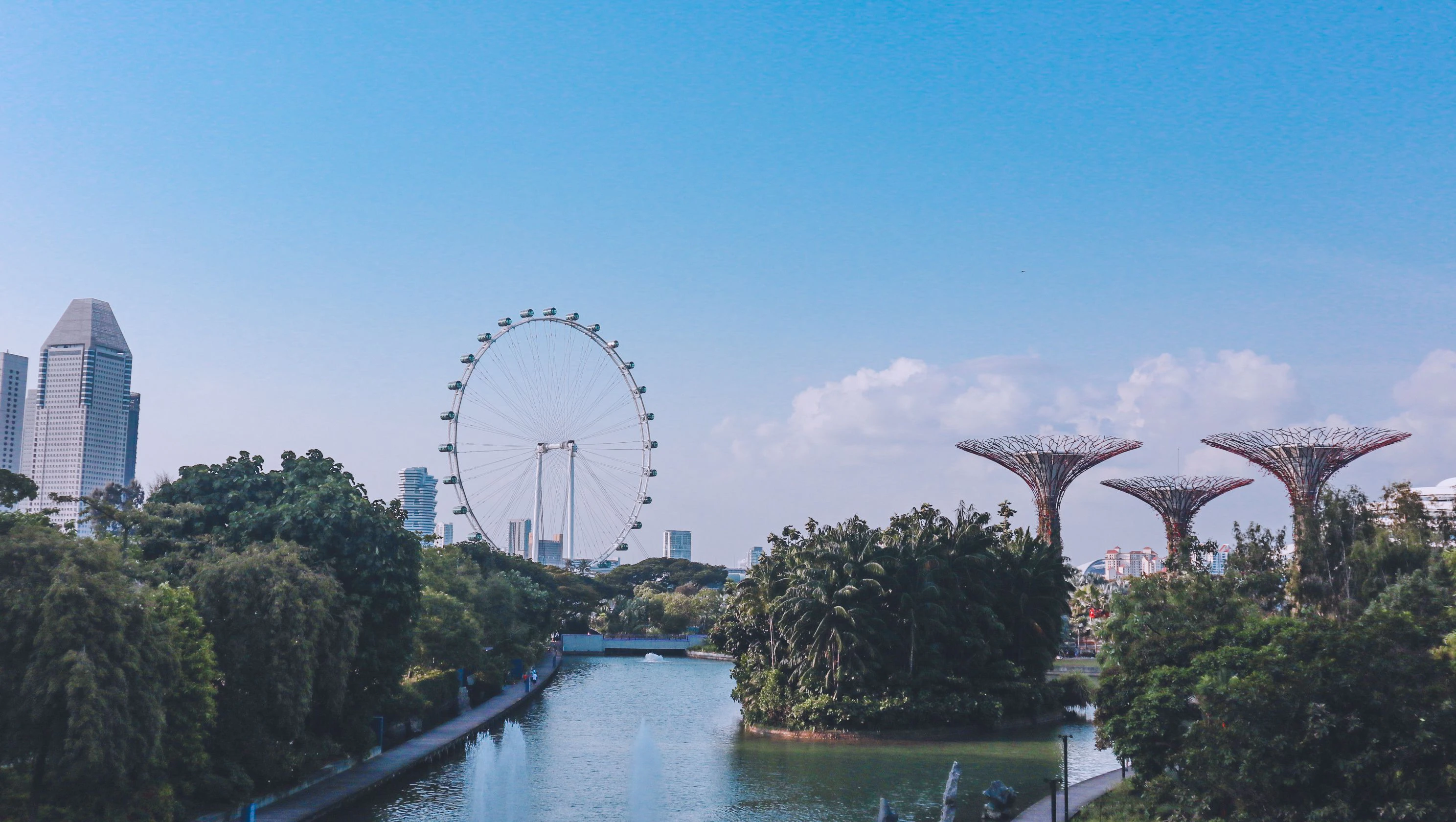
At the heart of Marina Bay stands Gardens by the Bay, a landmark that captures Singapore’s ambition to become a true “City in a Garden.” Framed by the skyline yet rooted in ecological purpose, the development merges futuristic design with environmental strategy.
The towering Supertrees are instantly recognisable, rising between 25 and 50 metres high. Beyond their striking appearance, they operate as vertical gardens that support climbing plants, integrate photovoltaic cells and channel rainwater for reuse within the park’s systems.
Inside the cooled conservatories, plant species from Mediterranean and cloud forest climates flourish despite Singapore’s tropical heat. The Flower Dome showcases baobabs, succulents and seasonal floral displays, while the Cloud Forest recreates misty mountain environments complete with a dramatic indoor waterfall.
These biodomes demonstrate how engineering and ecology intersect, allowing visitors to experience diverse ecosystems without leaving the city. One traveller remarked that stepping inside the Flower Dome felt like entering multiple continents within a single structure, highlighting the immersive nature of the design.
Sustainable Design in Practice
Sustainability underpins every aspect of the gardens. Rainwater harvesting systems collect and recycle water for irrigation, while energy-efficient cooling technology reduces environmental impact within the conservatories. The Supertrees themselves act as air exhaust receptacles and shade structures, contributing to passive cooling in the surrounding landscape.
Even the layout encourages sustainable mobility, with pedestrian-friendly pathways and connections to public transport reducing reliance on private vehicles. Gardens by the Bay is not merely a scenic attraction but a working example of how urban spaces can integrate biodiversity, renewable energy and thoughtful engineering into everyday life.
How Has Jewel Changi Redefined the Modern Airport Experience?
Located at Jewel Changi Airport, the Rain Vortex waterfall plunges dramatically through a vast glass dome, anchoring an indoor forest that feels worlds away from a conventional transit hub. Surrounded by the Shiseido Forest Valley, thousands of trees and shrubs rise across multiple levels, creating shaded walking paths and elevated viewing decks. The design blurs the boundary between infrastructure and landscape, transforming what is typically a functional airport extension into a destination in its own right.
Beyond its retail and dining offerings, Jewel integrates greenery, natural light and biophilic design principles into every corner of the space. Sunlight filters through the lattice roof, supporting plant life while reducing the need for artificial lighting during the day. Water from the Rain Vortex is recycled, reinforcing Singapore’s broader sustainability strategy.
Where Can Travellers Experience Nature Within Singapore's City Limits?
Bukit Timah Nature Reserve
Bukit Timah Nature Reserve safeguards one of the last substantial patches of primary rainforest in Singapore, a rare ecological treasure within an intensely urbanised nation. Despite the surrounding residential districts, stepping into the reserve feels like entering an entirely different world. Dense dipterocarp trees, tangled vines and rich undergrowth create a cool, shaded environment that contrasts sharply with the city skyline just beyond its borders.
Trails wind gradually upwards towards Bukit Timah Hill, the island’s highest natural point. The ascent is manageable yet rewarding, with interpretive signs highlighting native flora and the importance of conservation. Wildlife sightings may include long-tailed macaques, monitor lizards and a surprising diversity of birdlife. The reserve’s compact size belies its biodiversity, often cited as remarkably high for an urban forest fragment.
MacRitchie Treetop Walk
Nearby, the MacRitchie Treetop Walk offers a different perspective on Singapore’s natural heritage. Suspended approximately 25 metres above ground, the free-standing bridge allows visitors to observe the forest canopy at eye level. From this elevated vantage point, layers of foliage, bird calls and shifting light patterns reveal the complexity of tropical ecosystems.
The surrounding reservoir park also provides longer walking trails, boardwalks and scenic rest areas, encouraging a slower pace of exploration. Together, Bukit Timah and MacRitchie demonstrate how Singapore has deliberately preserved pockets of wilderness within its urban footprint, allowing nature and city life to coexist side by side.
Which Walking Trails Showcase Singapore's Green Urban Planning?
The Southern Ridges is a 10-kilometre network that connects several hilltop parks through elevated walkways, forested paths and architectural bridges. Designed to encourage outdoor recreation within an urban setting, the route allows visitors to move seamlessly between Mount Faber, Telok Blangah Hill and Kent Ridge Park without descending into busy roadways.
Henderson Waves, with its distinctive undulating wooden structure, serves as the visual centrepiece of the trail. Rising 36 metres above Henderson Road, it is the highest pedestrian bridge in Singapore and offers sweeping views across the harbour and city skyline. The curved ribs create sheltered alcoves where walkers can pause and take in the panorama, particularly appealing during early morning or sunset hours when temperatures are cooler.
Further east, East Coast Park stretches along the shoreline, providing more than 15 kilometres of coastal cycling and jogging paths. Here, recreation unfolds against a backdrop of open sea and anchored ships on the horizon. Families picnic under casuarina trees, cyclists follow well-marked lanes and beachgoers enjoy breezes that soften the tropical heat.
How Are Green Buildings and Rooftop Gardens Shaping Singapore's Skyline?
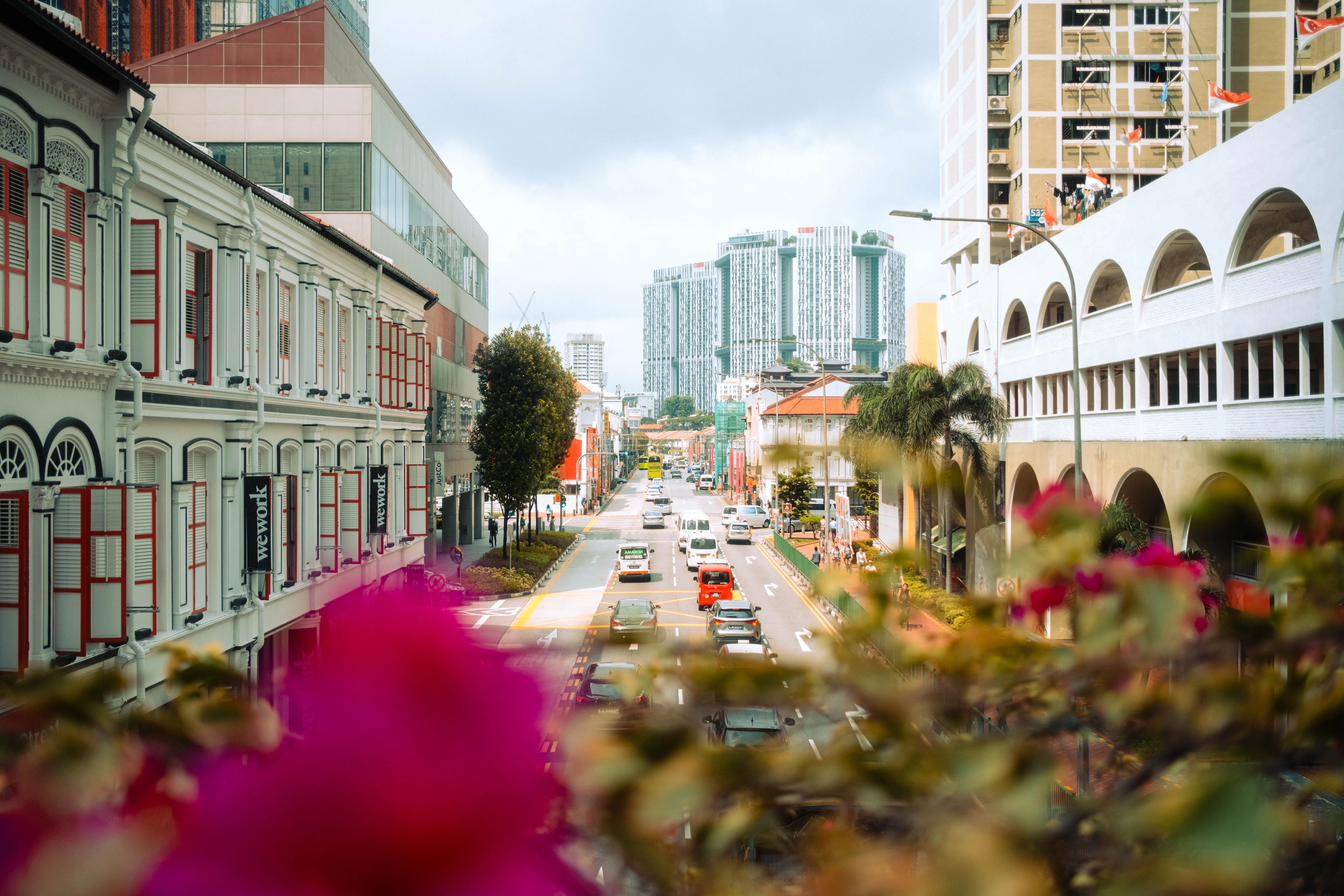
Singapore’s skyline increasingly reflects its environmental ambitions, with green roofs and vertical planting integrated into commercial towers, residential developments and public buildings. Rather than confining greenery to ground level, architects incorporate vegetation into façades, terraces and communal spaces. These living surfaces help reduce urban heat, improve air quality and soften the visual density of high-rise districts.
Many newer developments are designed with passive cooling strategies, natural ventilation and shaded outdoor areas that reduce reliance on energy-intensive systems. Sky gardens and rooftop parks provide not only insulation but also shared social spaces where residents and workers can reconnect with nature above the city streets.
Urban farming initiatives and community gardens further reinforce Singapore’s sustainability goals. From small neighbourhood plots to rooftop edible gardens, these projects encourage local food production and environmental awareness. Together, green buildings and rooftop landscapes demonstrate how thoughtful urban planning can balance density with ecological responsibility, reinforcing Singapore’s reputation as a model for sustainable city design.
Why Is Sustainability Part of Everyday Life in Singapore?
Green design in Singapore extends far beyond landmark attractions and headline architecture. Recycling infrastructure is widely accessible, water management systems such as rainwater collection and NEWater recycling are embedded into national planning and an efficient MRT network reduces reliance on private vehicles. Urban planning policies prioritise walkability, tree-lined streets and integrated park connectors, ensuring sustainability is woven into everyday routines rather than treated as an afterthought.
Visitors frequently observe how naturally greenery blends into daily life. Office towers open onto shaded plazas, residential blocks overlook landscaped courtyards and even major roads are bordered by dense planting. This integration creates a city where environmental responsibility feels practical and visible, reinforcing Singapore’s identity as a place where modern living and ecological awareness coexist.
Expert Travel Tips
Travel year-round, as Singapore’s equatorial climate remains warm throughout the year, but plan outdoor activities for early mornings or late afternoons when temperatures are lower and light is softer for photography
Wear comfortable walking shoes with good grip, particularly when exploring nature reserves, elevated trails such as the Southern Ridges or forested areas where paths may be uneven or humid
Stay well hydrated in Singapore’s tropical conditions, carrying a reusable water bottle where possible to reduce single-use plastic waste
Use the MRT system and public buses to move efficiently between districts, reducing your environmental footprint while avoiding traffic congestion
Combine indoor green attractions such as biodomes and rooftop gardens with outdoor reserves and coastal trails to balance air-conditioned comfort with immersive nature experiences
Frequently Asked Questions
Is Singapore really a green city?
Yes. Nearly half of Singapore’s land area is covered by greenery.
Can I hike in Singapore?
Yes. Nature reserves and trails such as Bukit Timah and the Southern Ridges offer accessible hiking.
Do Australians need a visa?
Check Australian Government Smartraveller for current advice.
How many days are needed?
Three to five days allow exploration of major green spaces.
Is Jewel Changi free to visit?
Yes, though certain attractions may have entry fees.
Are trails suitable for families?
Many trails and parks accommodate families.
How Can You Experience Singapore's Green Side for Yourself?
Singapore demonstrates how a modern city can prioritise sustainability without sacrificing vibrancy. From Gardens by the Bay to rainforest reserves and coastal trails, the city reveals a layered commitment to environmental integration.
For travellers seeking Singapore eco-friendly travel ideas, this green metropolis offers innovation within reach.
Explore our travel packages to discover how Singapore’s gardens, trails and sustainable design can enrich your next stopover or standalone journey.