Thailand Slow Travel Guide: Nan, Lampang and the Isaan Region
Posted by on 14 Jul 2026
Why Explore Thailand Beyond the Major Tourist Destinations?
Thailand’s best-known destinations draw global attention for good reason. Yet beyond the familiar routes lies a quieter, deeply rewarding side of the country. In northern valleys, riverside towns and the expansive plains of the northeast, travellers encounter a rhythm shaped less by visitor numbers and more by daily life.
For those seeking Thailand off the beaten path travel, secondary cities such as Nan and Lampang, along with the culturally rich Isaan region, offer space to slow down. Here, temple courtyards feel contemplative rather than crowded, morning markets unfold at an unhurried pace and rural landscapes reveal Thailand’s agricultural heart.
This is Thailand experienced through everyday interactions rather than landmark checklists.
Fun Trivia
Nan was once an independent kingdom for centuries, which is why its temples feature distinctive murals and artistic styles rarely seen elsewhere in Thailand
Lampang is one of the few Thai cities where horse-drawn carriages are still used, a legacy of its historic teak trade era
Isaan cuisine is heavily influenced by neighbouring Laos, which explains the region’s love of sticky rice and bold, herb-rich dishes
Many rural markets in secondary cities operate primarily for locals rather than tourists, meaning recipes and ingredients often reflect authentic daily life
Thailand’s regional diversity is so pronounced that dialects, festivals and even architectural styles can vary noticeably between northern valleys and northeastern plains
What Makes Nan One of Northern Thailand’s Most Underrated Destinations?
A Valley Framed by Mountains
Tucked near the Laos border, Nan sits within a fertile valley surrounded by forested hills. Its small size and limited visitor numbers create a welcoming atmosphere ideal for slower exploration.
Historic temples such as Wat Phumin feature intricate murals that depict local life rather than grand royal narratives. These artistic details provide insight into regional identity.
One traveller observed that Nan felt personal rather than performative, noting how monks and residents moved through temple grounds without interruption from tour groups.
Local Markets and Agricultural Life
Morning markets in Nan offer fresh produce sourced from surrounding farms. Sticky rice, seasonal fruits and northern curries reflect the area’s agricultural foundations.
Engaging with vendors offers an informal yet authentic window into daily routines.
Why Is Lampang Known for Its Heritage Architecture and Riverside Lifestyle?
Architectural Heritage
Southwest of Nan lies Lampang, known for its teakwood architecture and riverside setting. Horse-drawn carriages still operate in parts of the town, lending an old-world character rarely found in larger cities.
Temples such as Wat Phra That Lampang Luang showcase Lanna-style design, with layered roofs and detailed carvings.
Everyday Town Life
Lampang’s appeal lies in its ordinariness. Cafés overlook the Wang River, families gather at weekend markets and local artisans continue craft traditions.
A guest once reflected that spending an afternoon by the river revealed more about Thai life than any headline attraction.
What Makes Isaan Different from the Rest of Thailand?
Thailand’s Northeastern Identity
The Isaan region spans Thailand’s northeast, bordering Laos and Cambodia. Often overlooked by international visitors, it offers distinctive cuisine, cultural festivals and rural landscapes defined by rice paddies and wide skies.
Cities such as Ubon Ratchathani provide access to Mekong River viewpoints and temple complexes.
Cuisine of the Northeast
Isaan cuisine differs significantly from central Thai fare. Som tam, grilled meats and sticky rice dominate menus. Fermented flavours and fresh herbs reflect local agricultural practices.
Travellers frequently note that Isaan dishes feel bold and authentic, with recipes tied closely to family traditions.
How Do Rural Landscapes and Village Communities Shape the Travel Experience?
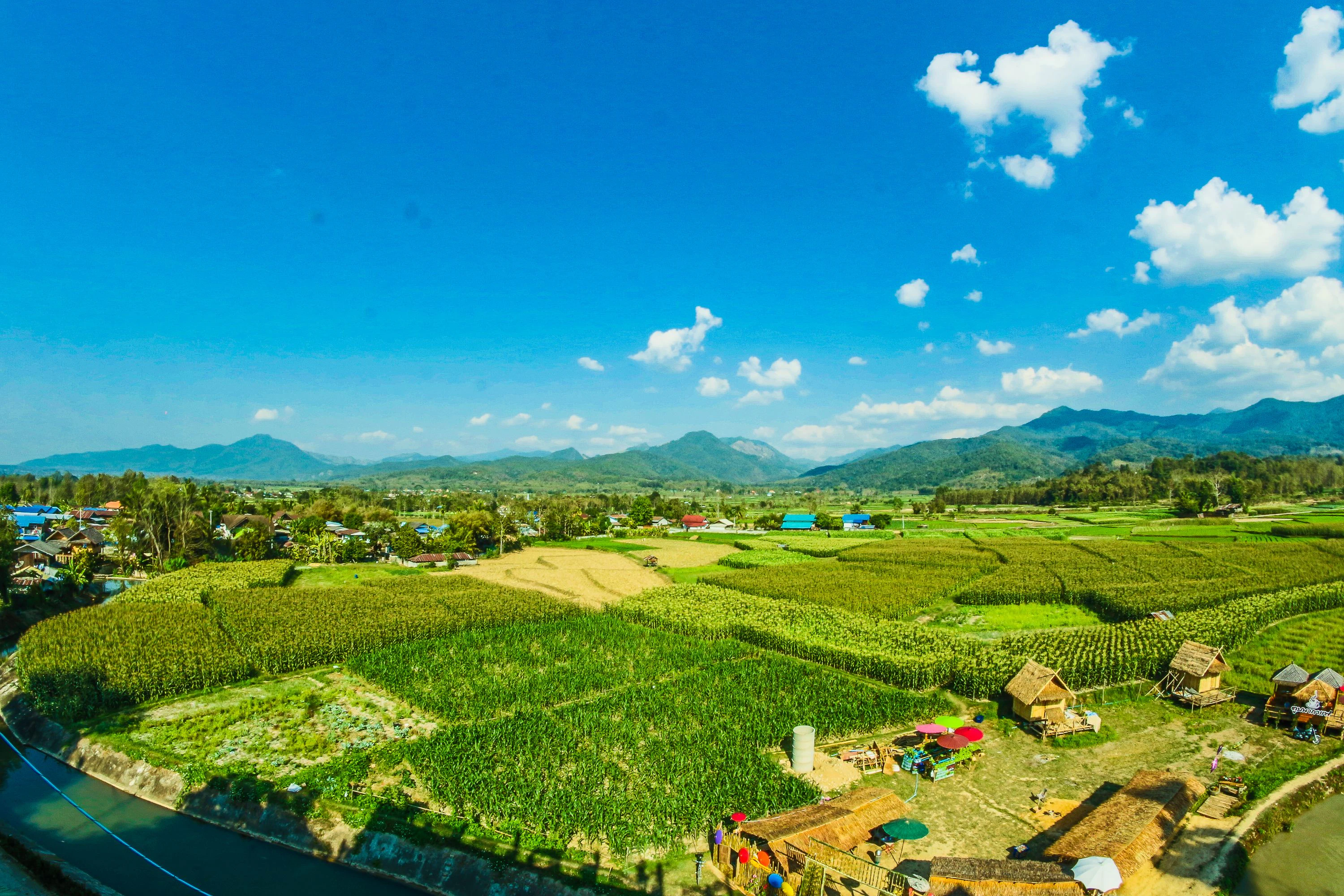
Secondary cities such as Nan and Lampang serve as gateways to surrounding countryside where agriculture remains the backbone of daily life. Beyond the town limits, rice paddies stretch towards low mountain ranges, water buffalo graze beside irrigation canals and small wooden homes sit on stilts above fertile fields. In these settings, travel shifts from sightseeing to observation.
Rice planting and harvesting continue according to seasonal cycles that have shaped communities for generations. In parts of Isaan, silk weaving remains a respected craft, with intricate patterns created on traditional looms inside family homes. Markets showcase locally grown produce, handwoven textiles and dishes prepared using ingredients sourced from nearby farms rather than distant suppliers.
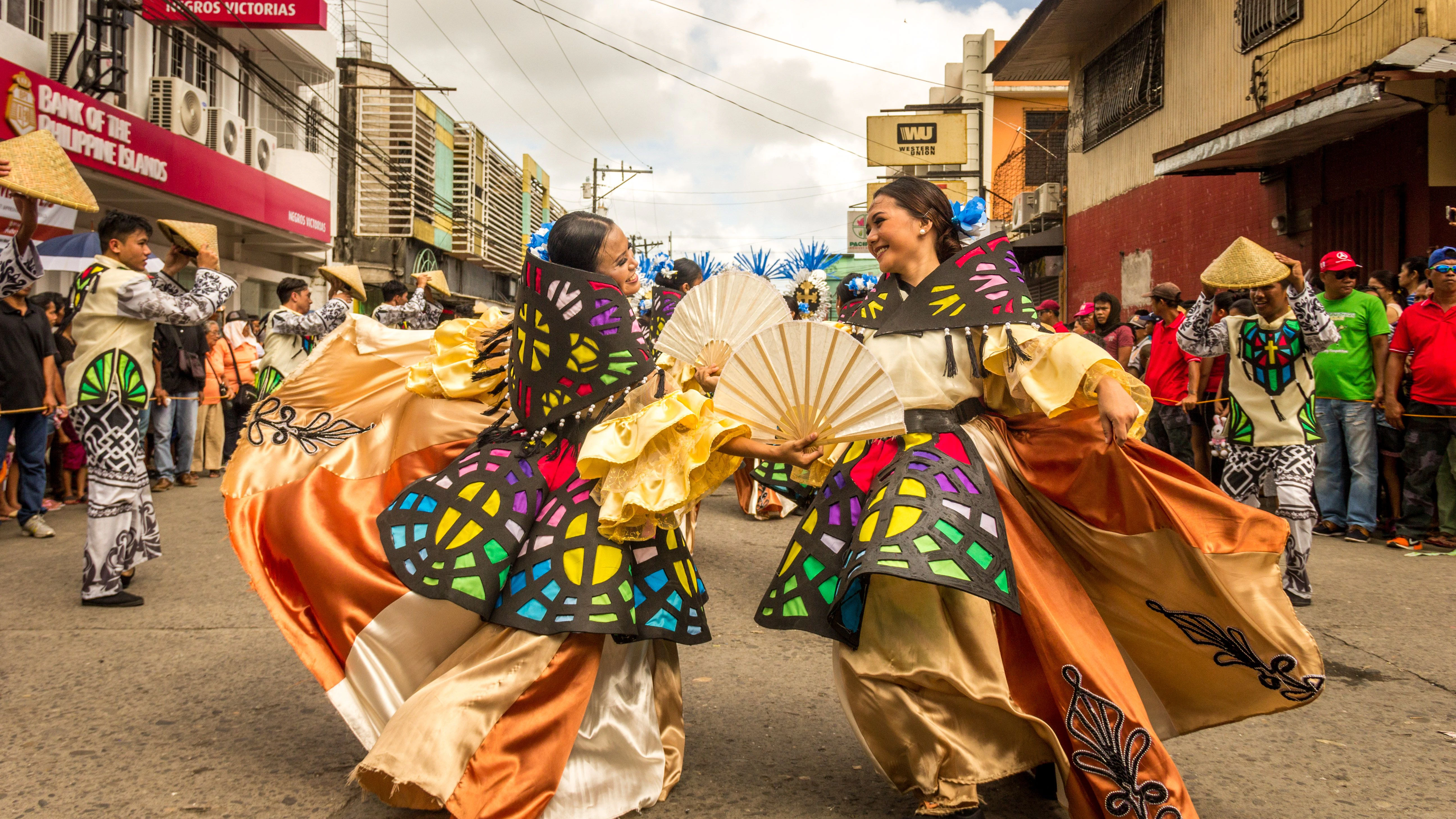
Seasonal festivals punctuate the calendar, often tied to planting cycles or Buddhist observances. Temple fairs bring together neighbouring villages for merit-making ceremonies, communal meals and music that reflects regional identity. These events are not staged for visitors but form part of everyday cultural continuity.
Why Does Slow Travel Create a Deeper Connection to Thailand?
Choosing lesser-visited regions in Thailand naturally supports a more sustainable model of tourism. When travellers spend time in secondary cities and rural communities, income flows more directly to local guesthouses, family-run restaurants, market vendors and craft producers rather than concentrating in already saturated hubs. This distribution helps sustain traditional livelihoods, from silk weaving in Isaan to small-scale farming in northern valleys.
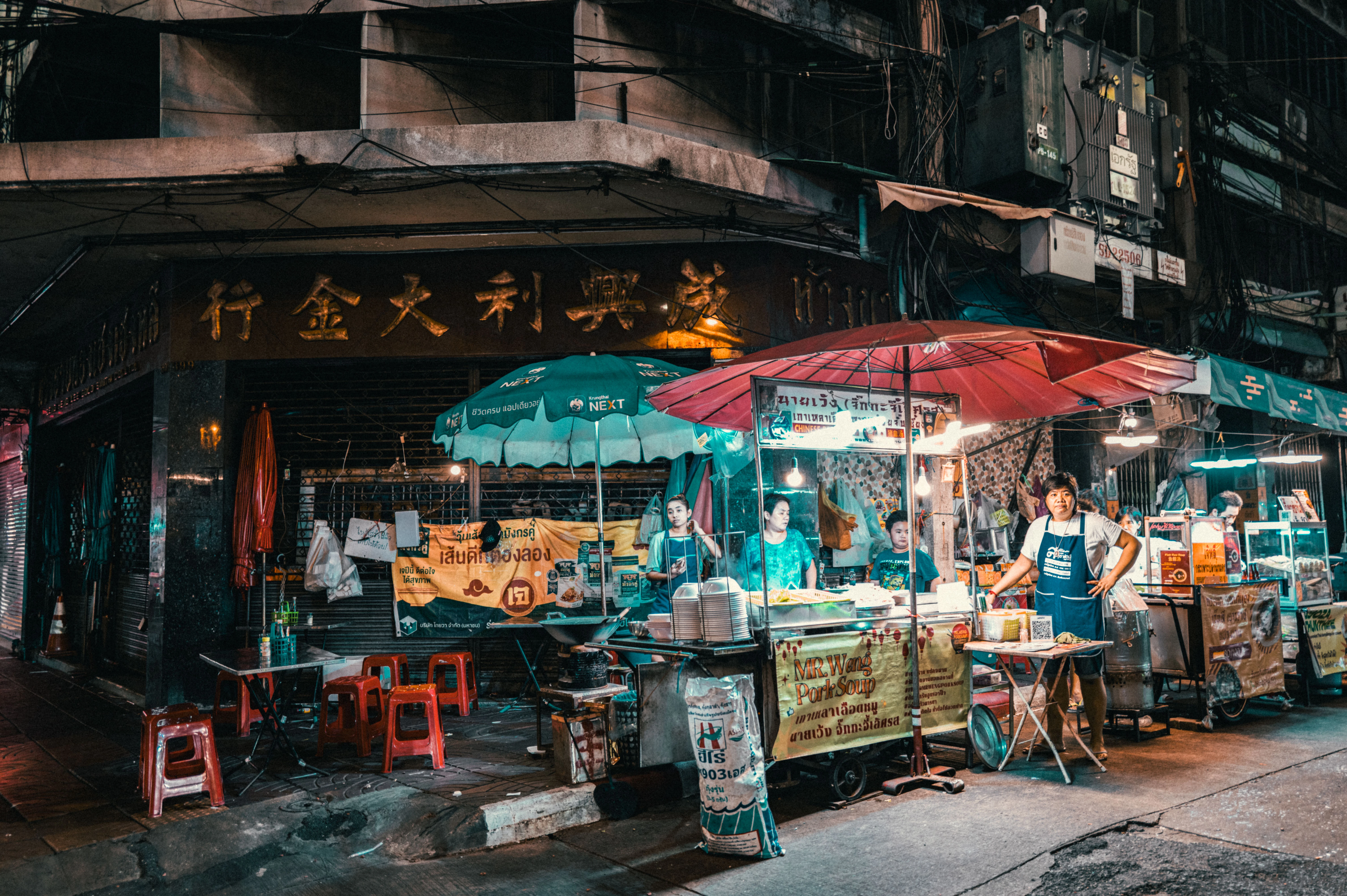
Smaller communities also tend to retain a stronger sense of everyday rhythm. Without the pressure of large tour groups or tight sightseeing schedules, interactions feel more organic. A conversation with a market vendor about seasonal produce, a shared table at a roadside café or a quiet exchange with a temple caretaker can become the highlight of a day. These moments are rarely orchestrated, yet they offer insight into values, customs and regional identity.
Slower travel shifts the focus from quantity to quality. Instead of ticking landmarks off a list, travellers have time to notice subtle details, such as how morning light falls across a wooden temple hall or how farmers coordinate irrigation along rice fields. Allowing space in the itinerary for unplanned discoveries often reveals aspects of Thailand that structured sightseeing cannot replicate.
Expert Travel Tips
Travel between November and February for cooler temperatures and lower humidity, particularly in northern and northeastern Thailand where rural landscapes are best explored on foot or by bicycle. These months generally offer clearer skies and more comfortable conditions for temple visits, market strolls and countryside excursions.
Allow extra travel time when moving between secondary cities, as public transport connections may be less frequent than in major tourist centres. Roads can be scenic but slower, and factoring in relaxed transit times helps maintain the unhurried rhythm that defines this style of travel.
Dress modestly when visiting temples and village communities, covering shoulders and knees and removing shoes before entering sacred spaces. Respectful attire signals cultural awareness and enhances interactions with local residents.
Learn a few basic Thai phrases, such as greetings and expressions of thanks, to facilitate respectful interaction. Even simple attempts at the local language are warmly received and often open the door to more meaningful exchanges.
Combine one secondary city with a major gateway such as Bangkok for ease of access and logistical convenience. This approach balances practicality with depth, allowing travellers to experience Thailand’s quieter regions without sacrificing smooth connections.
Frequently Asked Questions
When is the best time to visit northern Thailand’s secondary cities?
November to February offers comfortable conditions for walking and outdoor exploration.
Is Isaan safe for travellers?
Yes. The region is generally welcoming and safe, with standard travel precautions recommended.
Do Australians need a visa for Thailand?
Confirm current advice via Australian Government Smartraveller.
How many days are needed?
Seven to ten days allow time to explore two or three quieter regions.
Is English widely spoken?
English is less common in rural areas, making basic Thai phrases helpful.
Are accommodations comfortable?
Yes. Guesthouses and boutique hotels offer clean and welcoming options.
How Can You Experience Thailand’s Quieter Regions for Yourself?
Thailand’s quieter regions reward travellers willing to look beyond headline destinations. In Nan’s mountain valley, Lampang’s wooden streets and Isaan’s wide plains, everyday life unfolds without spectacle.
For those drawn to Thailand rural travel experiences, these secondary cities reveal a more personal and grounded side of the country.
Explore our travel packages to discover how Thailand beyond the crowds can become part of your next journey, combining cultural depth with unhurried exploration.