Family-Run Lodging in French Polynesia: Where to Stay for an Authentic Island Experience
Posted by on 01 Sep 2026
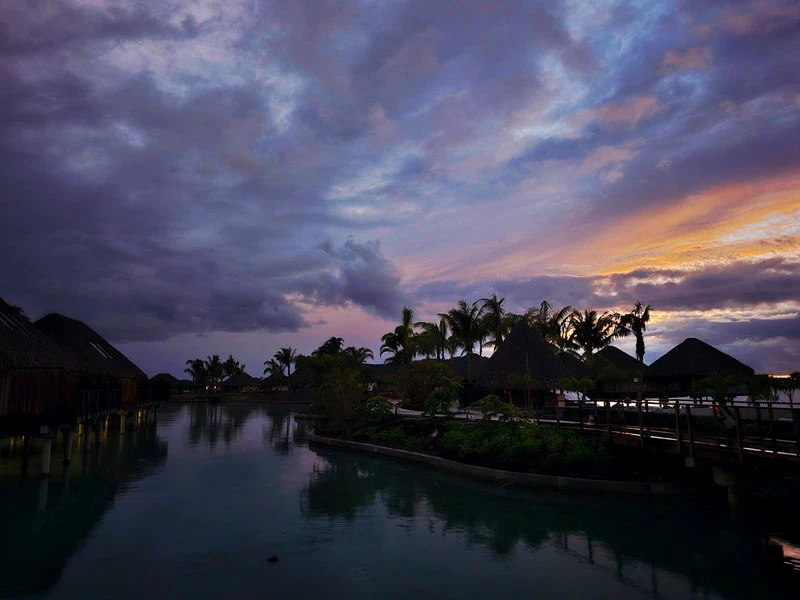
When people picture French Polynesia accommodation, they often imagine luxurious overwater bungalows perched above turquoise lagoons. While these iconic resorts certainly have their appeal, they represent only one side of island life. Across the archipelago, a network of family-run guesthouses, known locally as pensions de famille, offers travellers the opportunity to experience French Polynesia through the eyes of the people who call these islands home.
From the tranquil shores of Maupiti to the coral atolls of Rangiroa and the lush landscapes of Huahine, these locally owned accommodations provide far more than a place to sleep. Guests are welcomed into family homes and small lodges where home-cooked Polynesian meals, personalised recommendations and genuine hospitality create meaningful connections that are difficult to replicate in larger resorts.
For travellers seeking a slower pace, authentic cultural experiences and excellent value, family-run lodging in French Polynesia offers an unforgettable way to explore the islands. Whether you're planning a dedicated stay on Maupiti or building a multi-island itinerary, understanding how these guesthouses work can help you choose the accommodation style that best suits your journey.
Fun Facts About Family-Run Lodging in French Polynesia
Pensions de famille are typically small, locally owned guesthouses operated by Polynesian families, many of whom have welcomed visitors for generations.
Home-cooked breakfasts and dinners featuring fresh seafood, tropical fruit and traditional recipes are often included with your stay.
Many guesthouses arrange activities such as lagoon tours, bicycle hire and hiking guides directly through local operators.
Staying in a family-run pension allows travellers to support local communities while experiencing everyday Polynesian culture.
Islands such as Maupiti, Rangiroa, Huahine and Fakarava are especially well known for their welcoming family-operated accommodations.
What Is a Pension de Famille?
Understanding French Polynesia's Traditional Guesthouses
One of the first terms travellers encounter while researching accommodation is pension de famille.
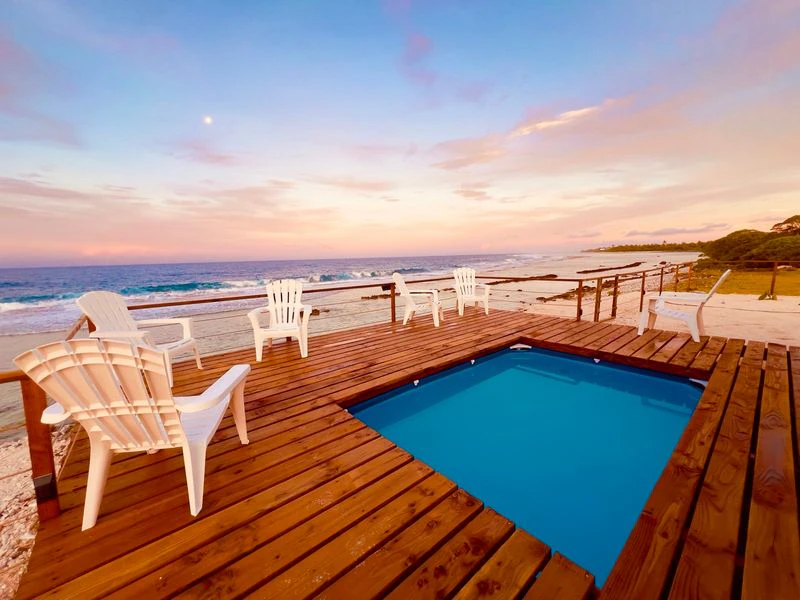
Rather than functioning like hotels or large resorts, pensions are small guesthouses operated by local families. Some consist of only a handful of bungalows overlooking the lagoon, while others offer comfortable rooms within family-owned properties surrounded by tropical gardens.
The emphasis is not on luxury amenities or extensive resort facilities. Instead, these guesthouses focus on warm hospitality, local knowledge and helping visitors experience the destination in a more personal way.
Hosts often greet arriving guests themselves, provide recommendations based on weather and local events, and happily share stories about their island, traditions and daily life. This level of interaction transforms accommodation into an important part of the overall travel experience rather than simply somewhere to spend the night.
A Different Way to Experience French Polynesia
Choosing a family-run guesthouse in French Polynesia often means becoming part of the local rhythm.
Breakfast might feature tropical fruit picked that morning, freshly baked bread and homemade jams. Dinner may include poisson cru, grilled fish or traditional Polynesian dishes prepared using family recipes that have been passed down through generations.
Instead of formal concierge desks or organised entertainment schedules, guests receive personalised advice directly from people who know the island better than anyone else. Whether recommending a hidden snorkelling spot, arranging a local guide or suggesting the best time to hike a nearby summit, hosts often help visitors discover experiences they might otherwise miss.
For many travellers, these conversations become some of the most memorable moments of the holiday.
Why Choose Family-Run Lodging Instead of a Resort?
Authentic Hospitality You Cannot Replicate
Luxury resorts excel at delivering polished service, premium facilities and iconic overwater accommodation. Family-run pensions offer something entirely different.
Rather than feeling separated from local life, guests become immersed in it. Meals are often shared in communal dining areas where travellers exchange stories with fellow visitors and hosts alike. Recommendations come from personal experience rather than brochures, while flexible schedules allow each day to unfold naturally.
This relaxed atmosphere appeals particularly to travellers who value meaningful cultural experiences alongside beautiful scenery.
Supporting Local Communities
Choosing locally owned accommodation also means your travel spending directly benefits island communities.
Instead of profits leaving the destination through international hotel groups, your stay supports local families, small businesses, fishermen, farmers, tour operators and artisans. Many guesthouse owners source ingredients from neighbouring producers, recommend locally operated excursions and encourage visitors to purchase handcrafted souvenirs from community markets.
This creates a positive ripple effect that helps preserve traditional livelihoods while encouraging sustainable tourism across French Polynesia's smaller islands.
For environmentally conscious travellers, supporting family-run accommodation offers a practical way to contribute positively to the places they visit.
Better Value Without Missing the Experience
One of the biggest misconceptions about travelling to French Polynesia is that every holiday requires a luxury resort budget.
While premium resorts certainly remain part of the destination's appeal, pensions de famille offer outstanding value without compromising the experience that draws visitors to the islands in the first place.
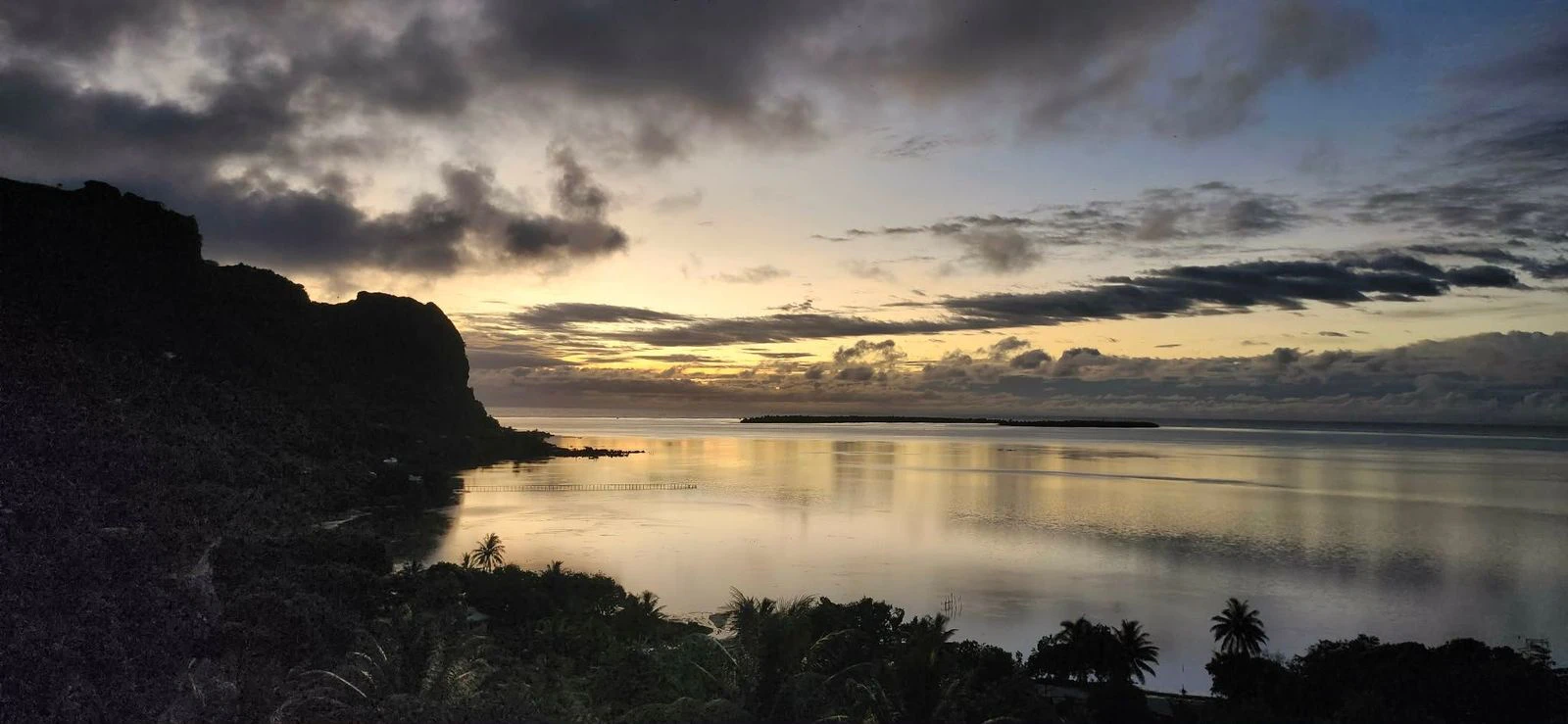
Guests still wake to turquoise lagoons, white-sand beaches and dramatic volcanic landscapes. They still enjoy snorkelling, hiking, boat excursions and spectacular sunsets. The difference lies primarily in the style of accommodation rather than the destination itself.
Many pensions also include meals within their nightly rates, making budgeting easier while introducing travellers to authentic Polynesian cuisine that may not appear on resort menus.
Where Can You Find the Best Family-Run Lodging in French Polynesia?
Maupiti: Experience Island Hospitality at Its Most Authentic
Among all the islands in French Polynesia, Maupiti has become one of the best places to experience traditional family-run accommodation.
With no large international resorts and only a limited number of locally owned pensions, the island has preserved an atmosphere centred on community rather than commercial tourism. Visitors quickly discover that accommodation is closely connected to everyday island life, with hosts often helping organise lagoon tours, bicycle rentals and hiking excursions while sharing their favourite local spots.
Meals frequently become a highlight of each day, featuring freshly caught seafood, tropical fruit and traditional Polynesian dishes served in relaxed communal settings. Conversations around the dinner table often lead to valuable travel tips, fascinating stories about the island and recommendations for hidden beaches or snorkelling locations that don't appear in guidebooks.
Unlike larger destinations where accommodation can feel interchangeable, every guesthouse on Maupiti offers its own unique personality shaped by the family who runs it.
Featured Guesthouses in Maupiti
Travellers can confidently expect Maupiti's locally owned pensions to offer:
Comfortable bungalows or guest rooms in peaceful surroundings.
Friendly hosts with extensive local knowledge.
Home-cooked breakfasts and dinners featuring regional cuisine.
Assistance arranging lagoon excursions, cycling and hiking.
A relaxed atmosphere that reflects the island's slower pace of life.
For visitors planning to include Maupiti as part of a broader French Polynesia holiday, these guesthouses provide an ideal introduction to authentic Polynesian hospitality while complementing time spent in Tahiti before or after the island stay.
Rangiroa: Discover Warm Polynesian Hospitality in the Tuamotu Islands
While Rangiroa is celebrated for its world-class diving and immense coral atoll, it is also home to a collection of welcoming family-run guesthouses in French Polynesia that allow travellers to experience island life beyond the famous dive sites.
Unlike larger resort properties, Rangiroa's pensions place visitors closer to local communities, where fishing, pearl farming and lagoon life continue to shape daily routines. Many guesthouses are located just steps from the water, offering peaceful settings where guests can relax between snorkelling trips, cycling excursions and boat tours.
Pension Bounty Rangiroa
Located near Avatoru Village, Pension Bounty is one of Rangiroa's best-known family-run accommodations. The property offers comfortable Polynesian-style bungalows surrounded by tropical gardens, creating a peaceful retreat within walking distance of local restaurants and shops.
Guests particularly appreciate the warm hospitality of the owners, personalised recommendations and relaxed atmosphere. Complimentary bicycles make exploring the surrounding village easy, while nearby tour operators provide convenient access to Rangiroa's famous Blue Lagoon excursions, reef snorkelling and dolphin watching.
Le Fare Bleu
Another highly regarded option is Le Fare Bleu, a small waterfront guesthouse overlooking the lagoon. With only a limited number of rooms, the property provides an intimate setting where guests can enjoy home-cooked meals featuring fresh seafood and seasonal island produce.
The hosts are known for helping visitors arrange diving, fishing trips and lagoon excursions while sharing insights into local customs and island life. For travellers looking to balance adventure with authentic Polynesian hospitality, Le Fare Bleu offers an excellent introduction to Rangiroa beyond its famous dive sites.
Other Islands with Memorable Family-Run Guesthouses
Although Maupiti and Rangiroa are standout destinations for locally owned accommodation, several other islands also reward travellers seeking authentic stays.
Huahine
Often described as one of the Society Islands' hidden gems, Huahine combines lush forests, archaeological sites and tranquil lagoons with a strong collection of family-operated pensions.
Guesthouses here frequently include tropical gardens, beachfront locations and traditional Polynesian meals, while hosts happily recommend cultural attractions, sacred marae sites and scenic cycling routes. Huahine appeals particularly to travellers interested in combining history, nature and genuine local hospitality.
Fakarava
Recognised as a UNESCO Biosphere Reserve, Fakarava attracts divers and nature enthusiasts from around the world.
Family-run pensions on the atoll provide a peaceful base for exploring vibrant coral reefs, pink sand beaches and exceptional marine biodiversity. Many guesthouses arrange diving, snorkelling and cycling directly with trusted local operators, making it easy for visitors to experience the atoll's natural wonders while supporting community-owned businesses.
Tikehau
Known for its powder-soft pink sand beaches and abundant birdlife, Tikehau offers another excellent opportunity to experience family-run lodging in French Polynesia.
Small guesthouses here emphasise personalised hospitality and close connections with the surrounding lagoon. Guests often spend their days snorkelling among colourful fish, kayaking across calm waters or enjoying freshly prepared seafood with local families as the sun sets over the atoll.
What Should You Expect When Staying in a Pension de Famille?
Choosing a pension de famille means embracing a different style of travel than a traditional resort holiday.
Accommodation is typically simple yet comfortable, with clean rooms or bungalows designed to complement the surrounding environment rather than compete with it. While some properties offer air conditioning, televisions or Wi-Fi, others intentionally keep amenities minimal so guests can focus on the destination itself.
Meals are often one of the highlights. Breakfast usually includes tropical fruit, fresh bread and local specialities, while dinners showcase traditional Polynesian cuisine prepared using seasonal ingredients sourced from nearby waters and farms.
Transport also differs from larger resorts. Most pensions do not operate private shuttle services, although many hosts happily assist with airport transfers, bicycle hire or organising local excursions. On smaller islands such as Maupiti, bicycles often become the preferred way to explore.
Perhaps most importantly, travellers should expect meaningful interactions with their hosts. Whether learning about local traditions, receiving recommendations for hidden beaches or simply sharing stories over dinner, these personal connections often become lasting memories long after the holiday ends.
Expert Travel Tips
Reserve your accommodation several months in advance, particularly on smaller islands such as Maupiti where guesthouse availability is limited.
Confirm whether breakfast, dinner or airport transfers are included, as inclusions vary between properties.
Pack light clothing, reef-safe sunscreen and cash for smaller purchases or local businesses that may not accept cards.
Be flexible with island schedules, particularly when travelling between islands, as domestic flight timetables may vary.
Take time to chat with your hosts. Their recommendations often lead to experiences and local insights unavailable through guidebooks.
Frequently Asked Questions
What is a pension de famille in French Polynesia?
A pension de famille is a locally owned guesthouse operated by Polynesian families. These accommodations typically offer comfortable rooms or bungalows, home-cooked meals and personalised hospitality, providing visitors with a more authentic alternative to large resorts.
Are family-run guesthouses cheaper than resorts?
In most cases, yes. Family-run lodging generally costs less than luxury resorts while still providing comfortable accommodation, excellent hospitality and access to the same beautiful lagoons, beaches and outdoor activities.
Are meals included when staying at a pension?
Many pensions include breakfast, while others also provide dinner prepared using fresh local ingredients. Because dining options can be limited on smaller islands, these shared meals often become a memorable part of the travel experience.
Which island is best for family-run accommodation?
Maupiti is widely regarded as one of the best islands for authentic guesthouse stays thanks to its small size, welcoming community and absence of large international resorts. Rangiroa, Huahine, Fakarava and Tikehau also offer excellent family-run accommodation options.
Do guesthouses arrange tours and activities?
Yes. Most hosts are happy to organise lagoon excursions, snorkelling trips, diving, bicycle hire and hiking guides through trusted local operators, making it easy to explore the island without extensive planning.
Are pensions suitable for honeymooners?
Absolutely. Couples seeking privacy, authentic cultural experiences and peaceful surroundings often find family-run guesthouses more rewarding than larger resorts. While they may not offer overwater bungalows, they provide meaningful hospitality and a unique connection to island life.
How far in advance should I book?
Booking several months ahead is recommended, particularly for smaller islands where accommodation options are intentionally limited. This is especially important during the dry season and school holiday periods.
Can I combine several islands with family-run accommodation?
Yes. Many travellers build multi-island itineraries that combine destinations such as Tahiti, Maupiti, Rangiroa or Huahine. This allows visitors to experience different landscapes, cultures and activities while enjoying authentic accommodation throughout their journey.
References
Experience French Polynesia Through Local Hospitality
Staying in a family-run guesthouse in French Polynesia offers far more than comfortable accommodation. It provides an opportunity to slow down, connect with local communities and experience the islands through genuine Polynesian hospitality. Whether you're sharing a home-cooked meal in Maupiti, discovering the underwater wonders of Rangiroa or exploring another lesser-known island, these welcoming pensions reveal a side of French Polynesia that many resort guests never experience.
For travellers planning a multi-island adventure, combining a stay in Tahiti with Maupiti creates a well-balanced itinerary that blends convenience with authentic island life. Other destinations such as Rangiroa, Huahine and Fakarava can also be incorporated to create a personalised journey through the archipelago.
Explore Entire Travel Group's holidays to discover thoughtfully designed itineraries that showcase the region's welcoming family-run accommodation and unforgettable island experiences.