Maupiti: French Polynesia's Best-Kept Secret
Posted by on 31 Aug 2026
While Bora Bora often captures the spotlight, another island quietly offers a different side of French Polynesia. Maupiti is a destination where turquoise lagoons remain largely untouched, bicycles outnumber cars and everyday life moves at a pace shaped by the ocean rather than tourism. Frequently described as "what Bora Bora was 50 years ago", the island appeals to travellers seeking genuine Polynesian hospitality, spectacular natural beauty and a slower, more immersive island experience.
Located in the Society Islands, approximately 315 kilometres north-west of Tahiti, Maupiti feels worlds away from the region's luxury resort scene. With a small local population, family-run guesthouses and an absence of large-scale developments, it offers visitors the opportunity to experience French Polynesia in a way that remains remarkably authentic.
For travellers looking to venture beyond the better-known islands, Maupiti travel combines pristine lagoons, rewarding hikes, vibrant marine life and welcoming communities. Whether you're swimming alongside rays, cycling around the island or enjoying a picnic on a secluded motu, Maupiti delivers the kind of peaceful escape that has become increasingly difficult to find elsewhere in the South Pacific.
Fun Facts About Maupiti
Maupiti is the westernmost inhabited island in the Society Islands archipelago and sits approximately 40 kilometres west of Bora Bora.
The island's highest point, Mount Teurafaatiu, offers one of the most spectacular panoramic lagoon views in French Polynesia.
Unlike many neighbouring islands, Maupiti has no large international resort developments, helping preserve its traditional Polynesian atmosphere.
The island can be circled by bicycle in just a few hours, making cycling one of the most popular ways to explore.
Maupiti's crystal-clear lagoon is home to graceful stingrays, blacktip reef sharks and vibrant coral gardens that can often be explored in shallow water.
Where Is Maupiti and Why Is It Called French Polynesia's Best-Kept Secret?
A Hidden Gem in the Society Islands
Although Maupiti lies relatively close to Bora Bora, it offers a remarkably different travel experience.
Located around 35 minutes by domestic flight from Tahiti, or accessible by boat services from neighbouring islands when available, Maupiti remains one of French Polynesia's least developed destinations. Its limited accommodation, small population and carefully managed tourism have helped preserve an atmosphere that many visitors describe as refreshingly authentic.
Unlike larger islands where luxury resorts dominate the coastline, Maupiti's shoreline remains largely untouched. Traditional homes, quiet villages and family-operated pensions blend naturally into the landscape, allowing visitors to experience daily island life rather than simply observe it.
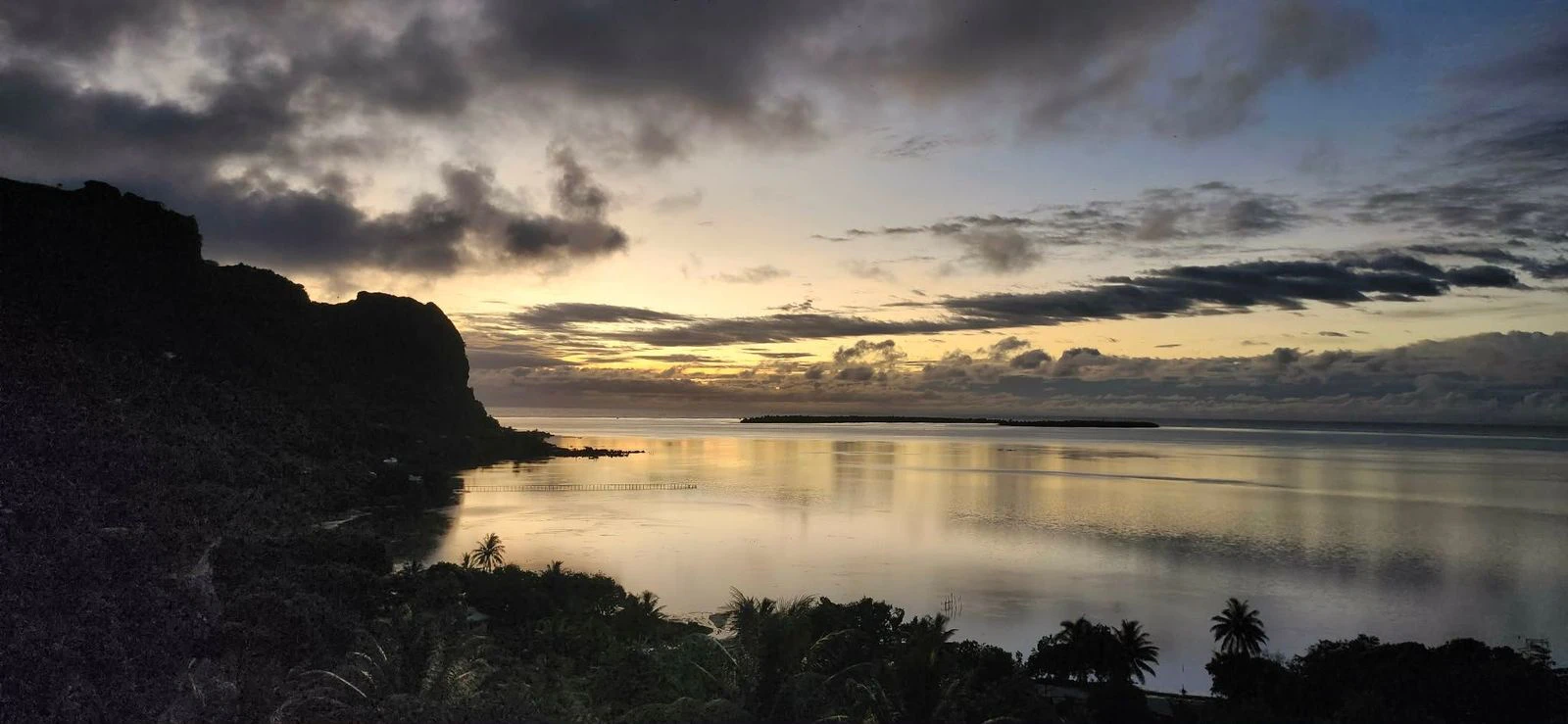
This slower pace is one of the island's defining characteristics. Rather than rushing between scheduled attractions, travellers are encouraged to embrace simple pleasures such as watching fishing boats return to shore, chatting with local residents or lingering beside the lagoon as the colours shift throughout the day.
Why Travellers Compare Maupiti to Old Bora Bora
One phrase frequently associated with Maupiti is that it represents "what Bora Bora used to be."
While Bora Bora has become internationally recognised for its luxury resorts and overwater bungalows, Maupiti has retained a quieter identity centred on community, nature and traditional Polynesian life.
Roads remain peaceful, commercial development is limited and many businesses are family owned. Visitors often travel by bicycle instead of car, while guesthouses provide opportunities to enjoy home-cooked meals and personal conversations with local hosts.
This is not to suggest that one island is better than the other. Instead, Maupiti appeals to travellers seeking a different perspective on French Polynesia, where authentic cultural encounters and unspoilt scenery take centre stage.
What Makes Maupiti's Lagoon So Special?
A Lagoon That Rivals French Polynesia's Most Famous Waters
The lagoon surrounding Maupiti is often regarded as one of the South Pacific's hidden treasures.
Brilliant shades of turquoise, emerald and sapphire stretch between coral reefs and tiny motu, creating scenery every bit as striking as the region's better-known destinations. Because visitor numbers remain relatively low, many areas of the lagoon feel wonderfully peaceful, allowing travellers to enjoy the landscape without crowds.
The calm, shallow waters also create excellent conditions for swimming, paddleboarding and snorkelling throughout much of the year.
Rather than focusing on luxury beach clubs or extensive water sports infrastructure, the lagoon encourages a slower style of exploration. Travellers can drift through crystal-clear water, admire colourful coral formations and appreciate the extraordinary visibility that makes French Polynesia famous among marine enthusiasts.
Swimming with Rays and Blacktip Reef Sharks
Among Maupiti's most memorable experiences is the opportunity to encounter marine wildlife in its natural habitat.
Guided lagoon excursions often include shallow sandbanks where graceful stingrays glide effortlessly through the water. Visitors may also encounter blacktip reef sharks, which are generally shy and considered harmless when observed respectfully alongside experienced local guides.
These wildlife encounters highlight the remarkable biodiversity that thrives within Maupiti's protected lagoon ecosystem. Unlike aquarium-style attractions, every experience takes place in a natural environment where animals continue to behave as they would in the wild.
Responsible local operators emphasise respectful wildlife interactions, encouraging visitors to observe rather than disturb the marine environment.
What Are the Best Things to Do on Maupiti?
Hike Mount Teurafaatiu for Panoramic Views
For many visitors, climbing Mount Teurafaatiu becomes the highlight of their stay.
Although the hike is relatively short, it is steep in sections and rewards travellers with one of the most breathtaking viewpoints in French Polynesia. From the summit, the island's emerald mountains, surrounding motu and brilliant lagoon unfold in every direction, creating an unforgettable panorama.
Early morning hikes are particularly popular, offering cooler temperatures and softer light for photography. Local guides can also share stories about the island's history, geography and cultural significance while helping visitors navigate the trail safely.
For active travellers, the climb provides a welcome contrast to the leisurely pace of lagoon life while showcasing just how compact and beautiful Maupiti truly is.
Explore the Lagoon by Boat
Boat excursions remain one of the best ways to appreciate the island's extraordinary scenery.
Local operators offer half-day and full-day tours that visit coral gardens, shallow snorkelling areas, secluded motu and scenic picnic locations around the lagoon. Many excursions include opportunities to swim with rays, enjoy freshly prepared Polynesian lunches and learn about traditional fishing practices from local guides.
Because the lagoon changes colour throughout the day as sunlight shifts across the shallow reef, spending several hours on the water provides an ever-changing perspective of Maupiti's natural beauty.
Unlike busier destinations where boats often compete for popular snorkelling sites, Maupiti's quieter waters allow visitors to enjoy a more peaceful connection with the surrounding environment.
Discover the Island by Bicycle
Cycling is perhaps the simplest and most enjoyable way to explore Maupiti.
The island's relatively flat coastal road circles the shoreline, passing quiet villages, white-sand beaches, churches and spectacular lagoon viewpoints. With very little traffic, travellers can stop whenever they wish to photograph the scenery, visit small cafés or simply admire the ever-changing views across the water.
Riding around the island also offers opportunities to experience everyday Polynesian life. Children cycling home from school, fishermen preparing their boats and residents tending tropical gardens all contribute to the welcoming atmosphere that makes Maupiti feel so different from more commercialised destinations.
For many visitors, these quiet moments become some of the most memorable parts of the journey, demonstrating that the island's greatest attraction is often its simplicity.
How Can You Experience Everyday Life on Maupiti?
Slow Down and Embrace Village Life
One of Maupiti's greatest attractions is not a single landmark or activity, but the opportunity to experience everyday island life at an unhurried pace.
The island's main village offers a glimpse into a community where neighbours know one another, local businesses remain family owned and daily routines revolve around the sea. Visitors can wander through quiet streets lined with tropical gardens, stop by small shops or simply enjoy conversations with friendly locals who are often happy to share stories about their island.
Unlike destinations built primarily around tourism, Maupiti retains a strong sense of community. Church gatherings, fishing traditions and family life continue much as they have for generations, giving travellers the chance to experience a more authentic side of French Polynesia.
Rather than filling every hour with organised activities, many visitors find their most memorable moments come from slowing down, appreciating the scenery and embracing the relaxed rhythm that defines life on the island.
Escape to a Secluded Motu
No visit to Maupiti would be complete without spending time on one of the tiny coral islets, or motu, scattered around the lagoon.
Accessible by boat, these secluded stretches of white sand offer a peaceful setting for swimming, snorkelling or simply enjoying the extraordinary colours of the surrounding water. Some guided excursions include traditional Polynesian picnics featuring freshly caught seafood, tropical fruit and local specialities, allowing visitors to enjoy lunch in one of the South Pacific's most picturesque settings.
With very few visitors at any one time, many motu feel wonderfully untouched. Instead of rows of beach loungers or resort facilities, travellers are greeted by swaying coconut palms, gentle ocean breezes and uninterrupted views across the lagoon.
These quiet escapes perfectly capture the appeal of Maupiti travel, where natural beauty remains the main attraction.
Maupiti vs. Bora Bora: Which Island Is Right for You?
Choosing between Maupiti and Bora Bora is a common question for travellers planning a French Polynesia holiday. Although the islands sit relatively close together, they offer distinctly different experiences.
Bora Bora is internationally recognised for its luxury resorts, iconic overwater bungalows and wide range of high-end dining and activities. It is an excellent choice for honeymooners, first-time visitors and those seeking world-class accommodation with every modern convenience.
Maupiti, by contrast, offers a quieter and more intimate escape. Accommodation is primarily found in family-run pensions and guesthouses, while activities focus on nature, local culture and exploring the lagoon rather than luxury amenities.
Visitors looking for lively resort facilities, extensive shopping or nightlife may prefer Bora Bora. Those seeking authentic Polynesian hospitality, uncrowded beaches and a slower pace often find Maupiti even more rewarding.
Rather than viewing the islands as competitors, many travellers choose to experience both. Bora Bora showcases the luxury side of French Polynesia, while Maupiti reveals the charm and simplicity that first attracted visitors to the region decades ago.
Why Should You Combine Maupiti with Tahiti?
Because flights to Maupiti are limited, many itineraries naturally include time in Tahiti before or after visiting the island.
This combination creates a well-balanced holiday that blends the energy of French Polynesia's main island with Maupiti's peaceful atmosphere. Visitors can explore Papeete's markets, museums and waterfront before flying to Maupiti for several days of lagoon adventures and village life, or return to Tahiti to relax before continuing their journey home.
Including a Tahiti stopover also provides greater flexibility should flight schedules change, making travel logistics more straightforward while allowing visitors to experience two very different sides of French Polynesia.
For travellers seeking a deeper appreciation of the destination, pairing Tahiti with Maupiti offers an itinerary that balances culture, convenience and untouched natural beauty.
Expert Travel Tips
Visit during the dry season between May and October for pleasant temperatures and excellent conditions for hiking, snorkelling and lagoon excursions.
Bring cash for smaller purchases, as some local businesses and family-run establishments may have limited card payment facilities.
Hire a bicycle soon after arriving to explore the island at your own pace and enjoy the scenic coastal road with minimal traffic.
Book domestic flights and accommodation well in advance, particularly during peak travel periods, as visitor numbers are intentionally limited.
Respect the island's relaxed pace by allowing plenty of free time between activities. Some of Maupiti's most memorable experiences come from simply enjoying the scenery and engaging with local life.
Frequently Asked Questions
Where is Maupiti located?
Maupiti is one of the Society Islands in French Polynesia, located approximately 40 kilometres west of Bora Bora and around 315 kilometres north-west of Tahiti. The island can be reached by domestic flight from Tahiti and is often combined with a broader French Polynesia itinerary.
How do you get to Maupiti?
Most visitors travel to Maupiti via Air Tahiti from Papeete, with flights taking approximately 35 to 45 minutes depending on the route. Because services are limited, it is recommended to book flights well in advance when planning your holiday.
Is Maupiti worth visiting?
Absolutely. Maupiti offers a quieter and more authentic alternative to some of French Polynesia's better-known islands, with spectacular lagoons, welcoming communities and excellent opportunities for hiking, snorkelling and experiencing traditional Polynesian life.
What are the best things to do on Maupiti?
Popular activities include hiking Mount Teurafaatiu, swimming with rays and blacktip reef sharks, cycling around the island, enjoying lagoon boat tours and visiting secluded motu for snorkelling and picnics. Many visitors also appreciate simply slowing down and experiencing the island's peaceful atmosphere.
How many days should I spend on Maupiti?
Three to four nights allows enough time to explore the lagoon, complete the island's signature hike and enjoy the relaxed pace that makes Maupiti special. Travellers combining Maupiti with Tahiti or Bora Bora may choose to stay even longer.
Is Maupiti better than Bora Bora?
The two islands offer different experiences rather than one being better than the other. Bora Bora is ideal for luxury resorts and iconic overwater accommodation, while Maupiti appeals to travellers seeking authentic culture, quieter surroundings and a more traditional island lifestyle.
Can you swim with sharks on Maupiti?
Yes. Guided lagoon excursions often include opportunities to swim alongside blacktip reef sharks in shallow water. These sharks are generally considered harmless when observed respectfully under the supervision of experienced local guides.
What is the best time to visit Maupiti?
The dry season, generally from May to October, offers comfortable temperatures, lower humidity and ideal conditions for outdoor activities. Maupiti can be visited year-round, although the wetter months may bring occasional tropical showers.
References
Discover the Quiet Beauty of Maupiti
While Bora Bora may be French Polynesia's most famous island, Maupiti offers a different kind of paradise. Its untouched lagoon, welcoming community and slower pace of life invite travellers to experience the South Pacific in a way that feels authentic, peaceful and deeply connected to nature.
Whether you're hiking to panoramic viewpoints, cycling through quiet villages or drifting across crystal-clear waters on a lagoon excursion, Maupiti rewards those willing to venture beyond the familiar. Combined with time in Tahiti, it creates an unforgettable journey that showcases both the cultural heart and natural beauty of French Polynesia.
Explore our travel packages with Entire Travel Group and discover how Maupiti can become the highlight of a thoughtfully planned island escape.