Fiji Cultural Experiences: Village Visits, Food and Traditions
Posted by on 03 Aug 2026
Fiji is often associated with white-sand beaches and turquoise waters, yet its most meaningful experiences are rooted in culture, community and tradition. Beyond the coastline, Fiji offers a way of life shaped by shared values, respect and connection to land and sea. For travellers seeking more than relaxation, Fiji cultural experiences provide insight into a destination where heritage remains central to everyday life.
Across the islands, villages continue to operate through strong communal systems. Ceremonies such as kava rituals, traditional cooking and storytelling reflect generations of knowledge passed down through families. These practices are not staged for visitors but remain part of daily routines, offering authentic encounters for those who approach them with curiosity and respect.
Exploring Fiji village visits and traditions allows travellers to move beyond resort settings and engage more deeply with local communities. Combined with regional cuisine, handicrafts and oral storytelling, Fiji presents a culturally rich travel experience that complements its natural beauty.
Fun Facts
A majority of Indigenous Fijians live in villages where traditional customs continue to shape daily life.
Kava, known locally as yaqona, has been part of Fijian ceremonies and community gatherings for centuries.
The traditional lovo cooking method uses heated volcanic stones buried underground to prepare large communal feasts.
Fiji is home to diverse cultural influences, including Indigenous iTaukei traditions alongside Indian, Chinese and European heritage.
Many traditional songs, dances and stories continue to be passed down orally between generations.
What Can You Expect During a Traditional Fiji Village Visit?
Community and Daily Structure
Fijian villages are built around strong community values where cooperation and mutual respect influence everyday life. Extended families often live close together, sharing responsibilities for farming, fishing, childcare and community events.
Village layouts typically centre around communal gathering spaces, churches and meeting houses where important discussions and celebrations take place. Rather than existing solely as tourist attractions, these villages remain vibrant communities where customs continue to guide daily routines.
Respect is fundamental throughout Fiji cultural traditions. Visitors are encouraged to dress modestly, greet residents appropriately and follow local guidance, creating meaningful interactions that reflect genuine cultural exchange rather than staged performances.
How Do Chiefs and Elders Shape Village Life?
Leadership within villages is traditionally guided by chiefs and elders who oversee decision-making and maintain cultural continuity. Their role extends beyond governance to include preserving traditions and guiding ceremonies.
Visitors participating in Fiji village experiences may be introduced to community leaders as part of formal welcomes. These interactions provide insight into how respect and hierarchy shape social structure.
Why Is the Fiji Kava Ceremony Such an Important Cultural Experience?
The Significance of Kava
Kava is a central element of Fijian culture, used in ceremonies and social gatherings. Made from the root of the yaqona plant, the drink is prepared and shared in a communal setting.
Participating in a Fiji kava ceremony is often part of village visits. Guests are welcomed through a structured process that includes presentation, preparation and shared drinking.
The ceremony symbolises hospitality, respect and connection, offering a meaningful introduction to Fijian cultural values.
How Should Visitors Participate Respectfully?
Understanding etiquette is important when joining a kava ceremony. Visitors are guided through the process, which may include clapping before and after receiving the drink.
Dress modestly and follow the lead of hosts during the ceremony. Participation is encouraged but always approached with respect.
These rituals highlight how Fiji cultural immersion travel allows travellers to engage directly with traditions that remain relevant today.
What Traditional Foods Should You Try in Fiji?
Ingredients and Cooking Methods
Fijian cuisine reflects the natural environment, drawing on ingredients such as seafood, root vegetables, coconut and tropical fruits. Cooking methods often emphasise simplicity and freshness.
One traditional method is the lovo, where food is cooked in an underground oven using heated stones. This technique is commonly used during gatherings and celebrations.
Dishes such as fish cooked in coconut milk and taro-based meals reflect the balance between land and sea that defines Fiji food culture.
Why Are Shared Meals Central to Fijian Hospitality?
Meals in Fijian communities are often shared, reinforcing social bonds and hospitality. Visitors may be invited to join communal meals during village visits, offering an opportunity to experience local cuisine firsthand.
Food plays a central role in storytelling and cultural exchange, making it an essential part of Fiji cultural travel experiences.
How Do Traditional Handicrafts Preserve Fiji's Cultural Heritage?
Weaving and Tapa Cloth
Traditional handicrafts continue to play an important role in Fijian cultural identity. Skilled artisans create woven mats, baskets, hats and ceremonial items using locally sourced natural fibres.
Tapa cloth remains one of Fiji's most significant cultural art forms. Made by beating the bark of the paper mulberry tree before decorating it with traditional motifs, tapa continues to feature in ceremonies, celebrations and gift-giving throughout the islands.
Wood Carving and Cultural Expression
Wood carving is another important tradition, producing items such as bowls, masks and decorative pieces. These objects often carry symbolic meaning and are used in ceremonies or displayed in homes.
Supporting local artisans by purchasing handmade items contributes to the preservation of Fiji traditional crafts.
How Do Storytelling and Music Keep Fiji's Traditions Alive?
Oral History and Cultural Knowledge
Long before written records became widespread, oral storytelling preserved Fiji's history, genealogy and cultural values. Elders continue to share stories that explain the origins of villages, important historical events and relationships between communities and the natural world.
These narratives provide valuable context for understanding Fiji beyond its landscapes.
Music and Performance
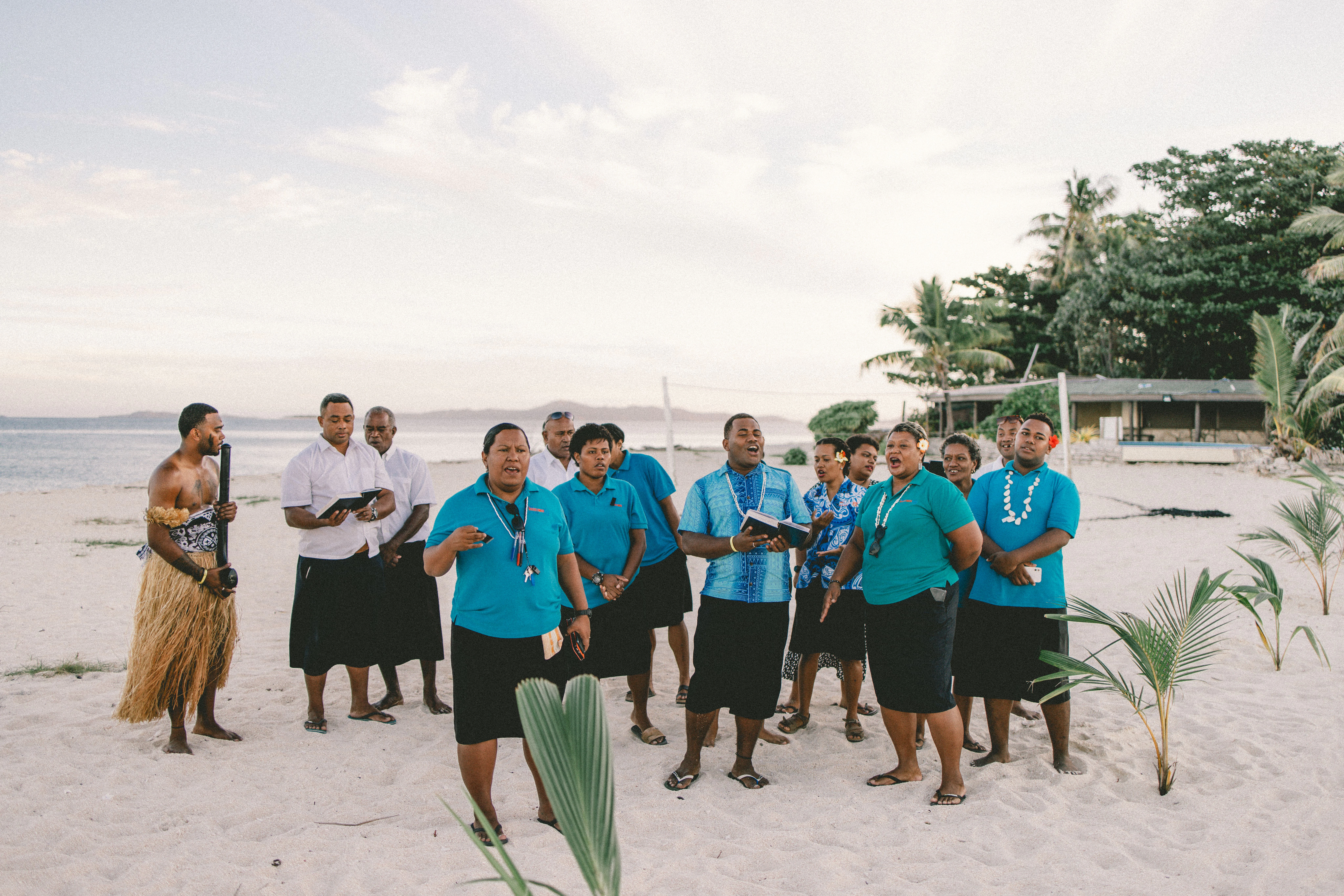
Music plays an important role in Fijian life, with songs and dances performed during ceremonies and celebrations. These performances reflect community identity and bring people together.
Experiencing traditional music offers insight into the emotional and social aspects of Fiji cultural heritage.
How Can You Experience Fiji's Culture Responsibly?
Respect Local Customs
Respectful behaviour is essential when engaging with local communities. Dress modestly, ask permission before taking photographs and follow guidance from hosts.
Understanding local customs ensures positive interactions and supports sustainable tourism.
Support Community-Led Tourism
Choosing experiences that involve local guides and community participation helps ensure tourism benefits residents directly. This approach aligns with responsible travel in Fiji, where cultural preservation remains a priority.
Travellers interested in deeper engagement can Plan Your Trip Today and include culturally guided experiences in their itinerary.
Expert Travel Tips
Dress modestly when visiting villages, covering shoulders and knees as a sign of respect
Follow local guidance during ceremonies such as kava rituals to ensure proper etiquette
Bring small gifts such as kava roots if advised, as these may be part of traditional greetings
Allow time for cultural experiences rather than rushing between destinations
Choose guided visits led by local communities to support sustainable tourism
Frequently Asked Questions
Do Australians need a visa to visit Fiji?
Australian passport holders generally do not require a visa for short tourist stays in Fiji. Entry requirements may change over time, so travellers should always check the latest government advice before departure.
What is a kava ceremony?
A kava ceremony is a traditional gathering where a drink made from the yaqona root is shared as part of cultural and social rituals.
Can travellers visit Fijian villages?
Yes. Many villages welcome visitors through organised, community-led experiences that provide insight into everyday life, traditions and local customs. Joining a guided visit helps ensure tourism is respectful and benefits the local community.
What should I wear during village visits?
Modest clothing that covers shoulders and knees is recommended.
Is Fiji suitable for cultural travel?
Yes. Fiji offers a range of cultural experiences that complement its natural attractions.
What food should I try in Fiji?
Local dishes include coconut-based seafood, taro and meals cooked in a lovo.
Are handicrafts made locally?
Yes. Many crafts such as weaving and tapa cloth are produced by local artisans.
How can I travel responsibly in Fiji?
Respect local customs, support community-led experiences and follow cultural guidelines during visits.
References
Discover Fiji Beyond the Beaches
Fiji’s culture adds depth to its natural beauty, offering travellers opportunities to connect with communities, traditions and everyday life. Village visits, shared meals and ceremonies reveal a destination shaped by values of respect and connection.
Exploring Fiji cultural experiences provides a more complete understanding of the islands, where heritage and hospitality remain central to the journey.
Explore our travel packages with Entire Travel Group to discover how Fiji’s culture, landscapes and communities come together in a meaningful and enriching travel experience.