Fiji for First-Time Travelers: How to Plan an Island Journey
Posted by on 04 Aug 2026
Fiji often appears as a single destination on the map, yet it is made up of more than 300 islands, each offering a distinct experience. For first-time visitors, understanding how to navigate these islands can transform a simple holiday into a richer, more varied journey. From the easily accessible Mamanuca Islands to the scenic Yasawas and remote outer islands, Fiji offers flexibility, diversity and ease of travel.
Planning a Fiji island journey for first-time travellers does not need to be complicated. With established ferry routes, domestic flights and well-connected island transfers, moving between regions is straightforward. The key lies in choosing the right combination of islands that match your travel style, time frame and interests.
Rather than staying in a single resort, many travellers now embrace Fiji island hopping itineraries that allow them to experience multiple landscapes, cultures and activities in one trip. Whether you prioritise snorkelling, cultural visits or simply relaxed beach time, Fiji provides an ideal introduction to multi-island travel.
Fun Trivia About Fiji’s Islands
Fiji is an archipelago of more than 300 islands, although only a portion are permanently inhabited.
The Mamanuca Islands are located close to Nadi and Port Denarau, making them one of Fiji’s most accessible island groups.
The Yasawa Islands form a chain of volcanic islands extending north-west of Viti Levu.
Taveuni is often called Fiji’s Garden Island because of its dense rainforest, endemic plants and waterfalls.
Fiji’s three widely spoken languages are English, iTaukei and Fiji Hindi, reflecting the country’s diverse cultural heritage.
Which Fiji Islands Are Best for First-Time Visitors?
Choosing where to stay is one of the most important parts of planning a first trip to Fiji. Each region offers a different balance of convenience, seclusion, activities and accommodation, so the right choice depends on the type of holiday you want.
Why Are the Mamanuca Islands Ideal for a First Fiji Holiday?
The Mamanuca Islands are among the easiest island destinations to reach after arriving in Nadi. Boats and catamarans depart from Port Denarau, with travel times varying depending on the location of your resort. Water taxis may also provide direct connections, including options for travellers whose international flight arrives too late for scheduled catamarans.
These islands are known for sandy beaches, warm lagoons and a broad range of accommodation. Options include family-friendly resorts, adults-only retreats, boutique properties and premium island stays. This variety makes the Mamanucas a practical starting point for couples, families and travellers who prefer established facilities.
Days can be as relaxed or active as you choose. Snorkelling, swimming, kayaking, stand-up paddleboarding and boat excursions are commonly available, while some islands provide access to renowned surf breaks.
Because the Mamanucas are close to the mainland, they suit shorter holidays and travellers who do not want to spend too much time in transit. They can also form the first stage of a longer Fiji multi-island itinerary.
What Makes the Yasawa Islands Good for Island Hopping?
The Yasawa Islands lie north of the Mamanucas and offer a more remote atmosphere. Their volcanic hills, sheltered bays and smaller-scale accommodation create a sense of travelling further from Fiji’s busier gateways.
Regular ferry services stop at various resorts along the island chain, allowing travellers to combine several stays without returning to the mainland between each one. This makes the region particularly well suited to a Yasawa Islands island-hopping itinerary.
Travellers can spend a few nights in one location before continuing to another island with a different landscape or style of accommodation. Experiences may include snorkelling, guided walks, village visits, kayaking and time on quieter beaches.
Although transport is organised, journeys through the Yasawas can take several hours. First-time visitors should treat the boat ride as part of the experience and avoid scheduling tight connections immediately after returning to Viti Levu.
Should First-Time Travellers Visit Taveuni or Kadavu?
Taveuni and Kadavu offer rewarding alternatives for travellers who want to venture beyond Fiji’s most familiar resort areas. Reaching these islands usually requires a domestic flight followed by a road or boat transfer, so they are best suited to longer itineraries.
Taveuni is known for rainforest walks, waterfalls, birdlife and access to the Somosomo Strait and Rainbow Reef. It works well for travellers who want to combine marine activities with hiking and nature-based experiences. Tourism Fiji describes the island as an ecotourism destination with opportunities ranging from gentle waterfall visits to more active rainforest and volcanic walks.
Kadavu has a quieter, more remote character. Its attractions include rainforest landscapes, village life and the marine environments surrounding the Great Astrolabe Reef. Accommodation is generally smaller in scale and the pace is slower, which appeals to travellers seeking seclusion, diving and a stronger sense of being off the main tourism route.
Adding an outer island can deepen a first Fiji journey, but it is better to spend several nights there rather than treating it as a quick stop.
How Do You Travel Between Fiji’s Islands?
Fiji’s geography means that transport forms an important part of the itinerary. Choosing the right mix of ferries, domestic flights and private transfers can reduce unnecessary backtracking and leave more time for the experiences you travelled to enjoy.
How Do Ferry Services and Island Passes Work?
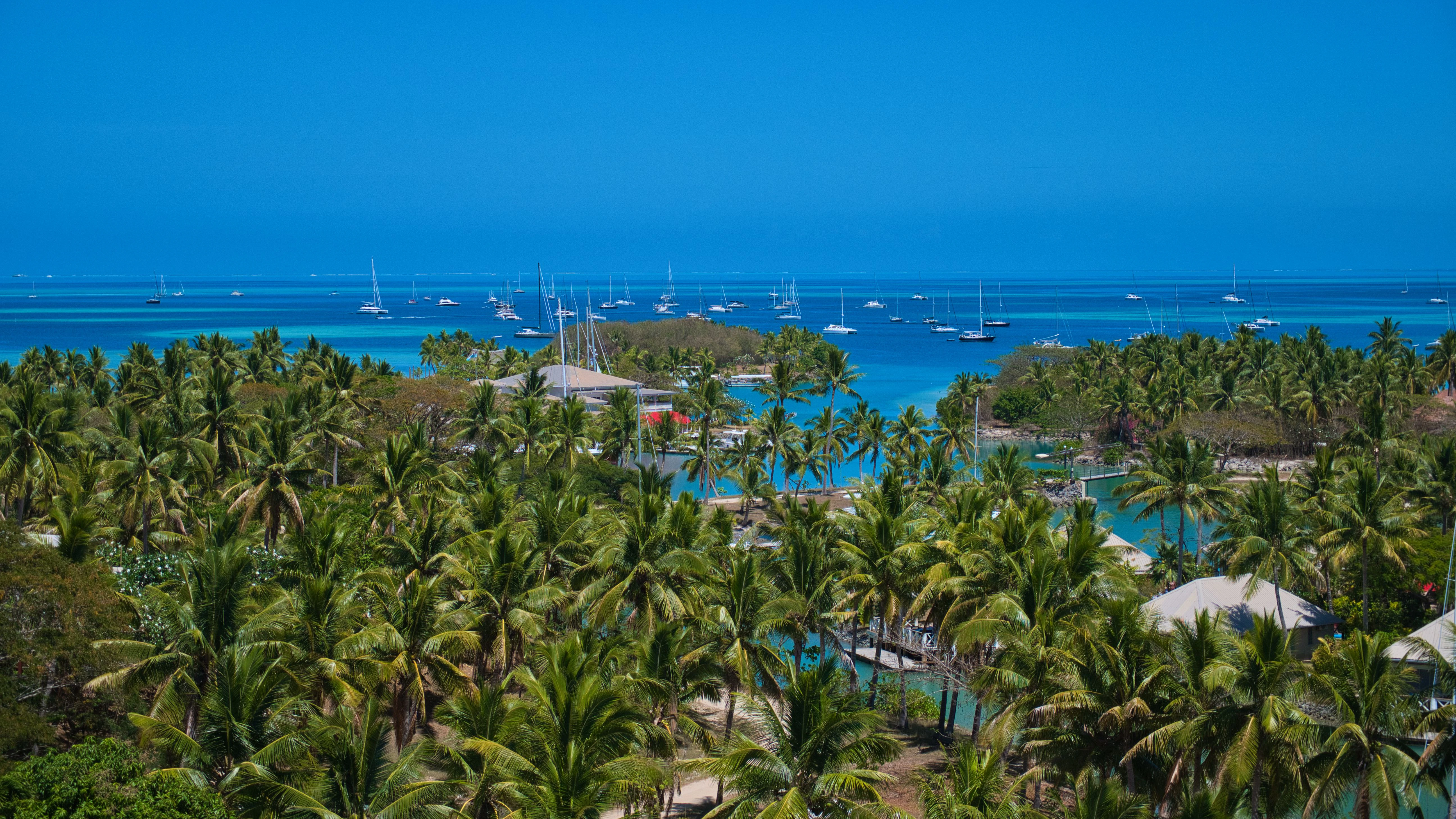
Scheduled catamarans connect Port Denarau with resorts throughout the Mamanuca and Yasawa Islands. Some services stop at multiple islands, with smaller resort boats meeting the main vessel where required.
Ferry travel is generally the most practical option for a classic island-hopping journey through western Fiji. The journey also provides broad views of the ocean, reefs and island landscapes.
Some operators provide passes or flexible transport arrangements that support stays across several islands. Availability, schedules and luggage rules can vary, so transfers should be coordinated with accommodation before arrival.
Travellers who are sensitive to motion may prefer a seat on the lower deck and should consider seasickness medication after seeking appropriate advice. Keeping sunscreen, water and essential medication in hand luggage is also sensible, as checked bags may not be immediately accessible during the journey.
When Should You Use Domestic Flights?
Domestic flights are useful when travelling between Viti Levu and more distant destinations such as Taveuni, Vanua Levu or Kadavu. They significantly reduce travel time and often provide memorable aerial views of reefs, coastlines and smaller islands.
Smaller aircraft can have stricter luggage allowances than international services. Travellers should review baggage conditions before departure, particularly when carrying diving equipment, camera gear or large suitcases.
Weather and operational requirements can occasionally affect domestic schedules. It is wise to avoid booking a domestic connection too close to an international departure and to leave the final night on Viti Levu when practical.
Are Resort Boats and Water Taxis Worth Using?
Many island resorts arrange their own boat transfers or coordinate with scheduled ferry services. Private water taxis can be helpful when arriving outside normal catamaran times or when travellers prefer a more direct journey.
Entire Travel Group’s Fiji destination information notes that water taxis operate from Port Denarau and service resorts in the Mamanuca and lower Yasawa Islands. These transfers may be particularly useful when international arrival times do not align with regular ferry departures.
Transfer costs, operating hours and weather limitations differ, so these services should be confirmed as part of the overall itinerary rather than arranged at the last minute.
What Type of Accommodation Should You Book in Fiji?
Accommodation affects more than comfort. Its location determines how long transfers take, which activities are readily accessible and whether meals need to be arranged separately.
Are Island Resorts Best for First-Time Travellers?
Island resorts can simplify a first Fiji holiday by combining accommodation, dining and activities in one location. Many offer snorkelling equipment, non-motorised water sports, cultural activities and organised excursions.
The Mamanuca Islands provide one of the widest selections, including family-oriented resorts, romantic retreats and wellness-focused properties. In the Yasawas, stays are often smaller and closer to the surrounding landscape, creating a quieter experience.
Before booking, check exactly what is included. Some island resorts require meal plans because alternative dining options are limited. Transfer fees, activity costs, environmental levies and equipment hire may also be separate.
Can You Find Both Affordable and Premium Island Stays?
Fiji accommodates a wide range of budgets, from simple lodges and traditional-style bures to private villas and premium beachfront resorts.
Travellers comparing prices should consider the complete cost rather than the room rate alone. A property with meals, transfers and activities included may provide better overall value than accommodation with a lower nightly rate but numerous additional charges.
For first-time visitors, choosing one or two comfortable, well-located properties often creates a better experience than moving frequently simply to increase the number of islands visited.
How Should You Build a Fiji Itinerary for Your First Trip?
A good Fiji itinerary for beginners balances variety with enough time to settle into each destination. Constant transfers can quickly reduce the relaxed atmosphere that makes an island holiday so appealing.
What Is a Good Route for Seven to Ten Days?
A seven-night trip could combine a short mainland stay with one island region. For example:
One night near Nadi or Denarau after arrival
Four or five nights in the Mamanuca Islands
One or two final nights on Viti Levu
With nine or ten nights, travellers may combine the Mamanucas and Yasawas:
One night on Viti Levu
Three or four nights in the Mamanuca Islands
Three or four nights in the Yasawa Islands
One final night near the international airport
A longer journey of 12 to 14 nights creates enough time to add Taveuni, Kadavu or another outer island without rushing.
How Many Islands Should You Visit?
Two island stays are usually enough for a first visit of seven to ten days. This provides contrast while keeping transfers manageable.
Three regions can work well on a longer holiday, particularly when flight and ferry schedules align. However, visiting too many islands can lead to repeated packing, early departures and less time enjoying each destination.
A useful approach is to think in terms of experiences rather than island numbers. One region may provide reef activities and resort facilities, while another offers rainforest walks, cultural visits or greater seclusion.
Should You Include Viti Levu in Your Itinerary?
Viti Levu is sometimes treated purely as an arrival point, but the mainland can add worthwhile variety. Depending on your route, you might explore Nadi, Denarau, the Coral Coast or areas around Suva.
The Coral Coast combines beaches with inland activities, cultural tours and natural attractions. A mainland stay can also provide a practical buffer before an international flight, particularly after returning from a remote island.
Travellers interested in Fiji beyond its resorts may enjoy visiting a local market, joining a guided cultural experience or exploring a national park before continuing to the islands.
What Experiences Should First-Time Visitors Include?
Where Can Beginners Go Snorkelling in Fiji?
Warm lagoons and accessible reefs make Fiji an appealing destination for beginner snorkellers. Many resorts provide equipment and offer guided sessions in protected waters.
Conditions vary by island, tide and season. Ask local guides where entry is safest and avoid standing on coral or touching marine life. Wearing a rash vest can reduce sun exposure, while reef-safe sunscreen helps minimise your impact on the marine environment.
Less confident swimmers should use flotation equipment and join guided excursions rather than venturing out alone.
How Can Travellers Experience Fijian Culture Respectfully?
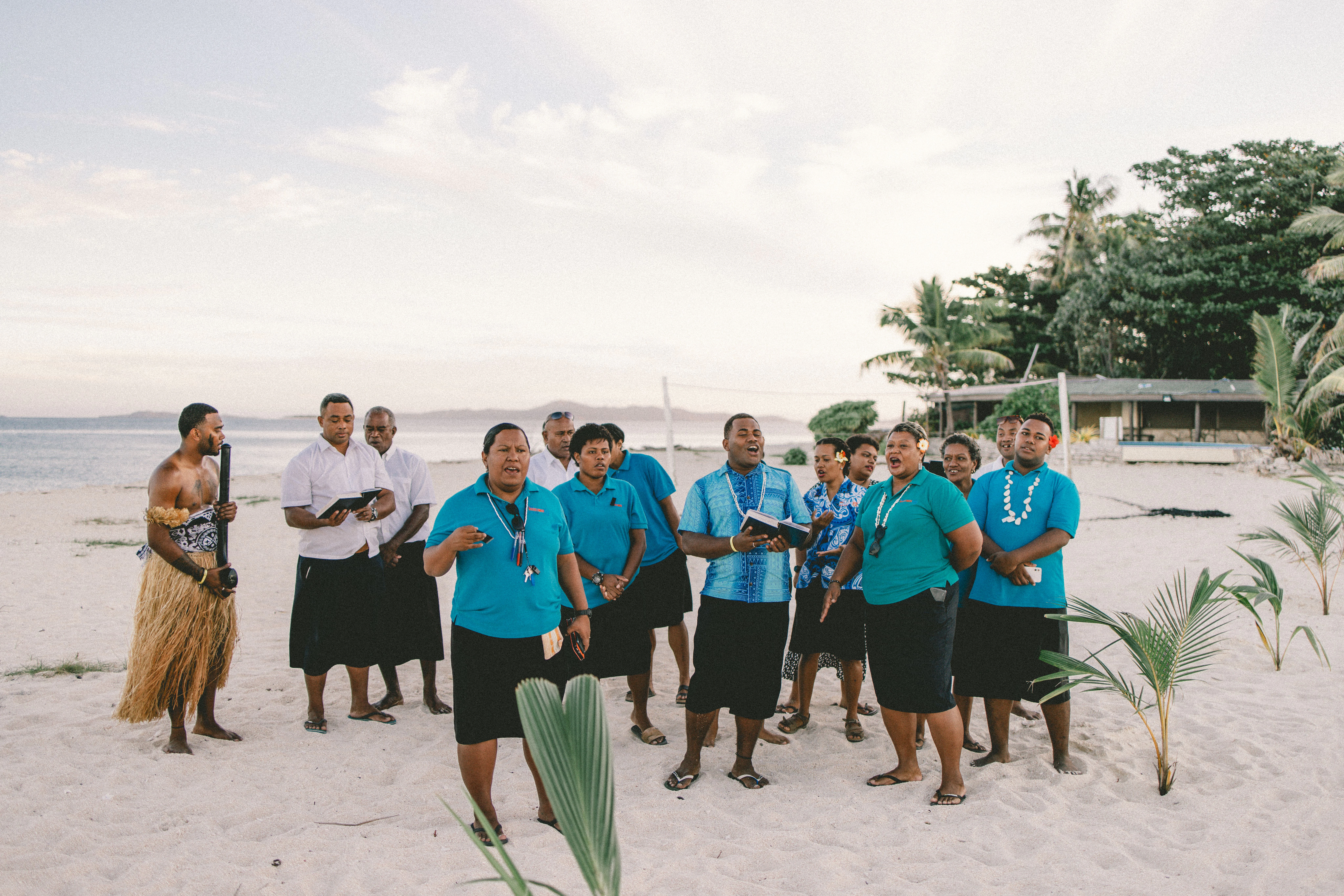
Village visits, cultural demonstrations and shared meals help travellers understand Fiji beyond its coastal scenery. These experiences may include a welcome ceremony, traditional music, handicrafts or explanations of community life.
Dress conservatively during village visits, usually by covering shoulders and knees. Removing hats is commonly expected and photography should only take place with permission.
Community-led experiences are preferable because they help ensure visits are culturally appropriate and provide a direct benefit to local residents.
Why Should You Leave Time for Relaxation?
A first-time itinerary does not need to be filled with organised activities. Fiji’s appeal lies partly in its slower rhythm, warm hospitality and opportunities to enjoy the natural setting without a strict schedule.
Leaving unscheduled time allows for spontaneous snorkelling, beach walks, conversations with local hosts or simply an afternoon by the lagoon. It also provides flexibility if weather affects an excursion.
Expert Travel Tips
Travel between May and October for drier weather and more comfortable conditions across the islands
Start your journey in the Mamanuca Islands before moving to more remote regions such as the Yasawas
Pack lightweight clothing, swimwear and reef-safe sunscreen for outdoor and marine activities
Allow flexibility in your schedule, as weather conditions can occasionally affect transfers
Respect local customs during village visits, including modest dress and following guidance from hosts
Frequently Asked Questions
Do Australians need a visa to visit Fiji?
Australian tourists generally receive permission to visit on arrival for a short holiday, provided they meet Fiji’s entry conditions. Requirements can change, so check your passport validity, onward travel arrangements and the latest advice from Smartraveller and Fiji immigration authorities before departure.
How many islands should I visit on my first trip?
Two island destinations or regions are usually comfortable for a seven to ten-day trip. This creates variety without spending too much of the holiday packing and transferring. Travellers with 12 to 14 days can consider adding an outer island such as Taveuni or Kadavu.
Is Fiji easy to navigate?
Yes. The main visitor regions are connected by scheduled catamarans, resort boats, water taxis and domestic flights. Planning transfers in advance is important because some services run only at set times and may need to coordinate with international flights.
What is the best time to visit Fiji?
Fiji is a year-round destination, although May to October generally brings lower humidity and less rainfall. This is also a popular travel period, so accommodation and transfers should be booked early. The wetter months can offer a quieter atmosphere, but tropical rain and storms may affect travel plans.
Can I plan a Fiji trip without island hopping?
Yes. Travellers can base themselves in one well-chosen resort or explore a mainland region such as the Coral Coast. Island hopping adds contrast, but a single-location stay may be preferable for families with young children, shorter holidays or travellers seeking complete relaxation.
Is Fiji suitable for beginner snorkellers?
Many sheltered lagoons and resort beaches are suitable for beginners, particularly when conditions are calm. Join an introductory session or guided snorkelling trip if you are not confident in open water. Always follow local advice about currents, tides and reef access.
How long should I stay in Fiji?
Seven to ten days works well for a first visit that includes one or two island regions. A stay of 12 to 14 days provides a more relaxed pace and makes it easier to include a remote destination without creating a transfer-heavy itinerary.
What should I pack for Fiji?
Pack lightweight clothing, swimwear, comfortable sandals, walking shoes, insect repellent and strong sun protection. Bring modest clothing for villages and local communities, plus any medication you may need because supplies can be limited on smaller islands.
References
Start Your Fiji Island Journey
Fiji offers an ideal introduction to island travel, combining accessibility with diversity across its many island groups. From the Mamanucas to the Yasawas and beyond, each destination adds a new layer to the journey.
Planning a Fiji island journey for first-time travellers is about finding the right balance between exploration and relaxation, while embracing the opportunity to experience multiple islands.
Explore Our Travel Packages with Entire Travel Group to discover how Fiji’s islands can come together in one seamless and unforgettable travel experience.