Singapore 4-Day Itinerary: Best Things to Do on a Short Stay

Posted by on 15 Oct 2026
Singapore proves that a short holiday does not have to feel limited. Within a relatively compact city, travellers can move from futuristic waterfront architecture to historic neighbourhoods, tropical gardens and some of Southeast Asia's most distinctive food experiences, often within the same day. For Australians breaking up a longer journey through Asia or looking for an easy city escape, a Singapore 4-day itinerary can deliver remarkable variety without requiring constant hotel changes or lengthy transfers.
The key is not trying to see everything. Singapore's efficient public transport and concentration of attractions make it tempting to fill every available hour, but a more considered itinerary leaves room to experience its multicultural neighbourhoods, green spaces and celebrated hawker culture properly. Chinese, Malay, Indian and other cultural influences are woven throughout the city's architecture, religious landmarks and food traditions.
With two days, you can cover the essentials. Three days adds more cultural depth and four days provides enough time to balance iconic sights with gardens, local food and a slower neighbourhood experience. This Singapore itinerary for first-time visitors shows how to make those days count.
Fun Facts About Singapore
Singapore's hawker culture is recognised by UNESCO. Inscribed on the Representative List of the Intangible Cultural Heritage of Humanity in 2020, hawker culture reflects the city's multicultural identity and long tradition of communal dining.
Singapore Botanic Gardens is a UNESCO World Heritage Site. Established in 1859, the gardens developed from a colonial tropical garden into an internationally important centre for botanical research, conservation and education.
Singapore combines several cultural traditions within a small geographical area. Neighbourhoods such as Chinatown, Little India and Kampong Gelam make it possible to experience distinct food, architecture and religious traditions without travelling far across the city.
Food is one of Singapore's most important cultural experiences. Hawker centres evolved from street food culture and continue to function as shared community spaces where dishes reflect Chinese, Malay, Indian and other influences.
Green spaces are woven throughout the city. From Singapore Botanic Gardens to Gardens by the Bay, nature is not simply an excursion outside the urban centre but part of the Singapore experience itself.
Why Is Singapore Ideal for a Short Stay?
See More Without Spending Hours in Transit
Singapore works particularly well for a short holiday because major attractions are relatively close together and connected by an extensive public transport system.
A traveller can spend the morning exploring a historic neighbourhood, stop at a hawker centre for lunch and reach Marina Bay for an evening walk without devoting half the day to transfers. This makes a Singapore stopover itinerary much easier to plan than destinations where major sights are spread across a large metropolitan area.
The city's MRT rail network is particularly useful. Stations connect many popular districts and attractions, while buses fill in the gaps. Walking is also practical within individual neighbourhoods, although Singapore's heat and humidity should be factored into your plans.
Experience Culture, Nature and Food in One Trip
The advantage of a four-day stay is not simply how many attractions you can fit in. It is the range of experiences available.
Singapore's cultural districts reveal the city's diverse heritage. Gardens and nature spaces provide relief from the urban environment. Marina Bay introduces its contemporary architectural identity while hawker centres bring different communities together through food.
Rather than dedicating each day to one narrow theme, combine complementary experiences. Chinatown followed by a hawker lunch, for example, makes more sense than crossing the city several times simply to follow a list of famous attractions.
Day 1: Discover Marina Bay and Modern Singapore
Start Around the Civic District
Begin your four days in Singapore with an introduction to the city's central areas.
The Civic District brings together significant historic buildings, museums and public spaces close to the Singapore River. A walk through this part of the city provides useful context before you move towards Singapore's more futuristic waterfront.
From here, continue towards Marina Bay. The transition between older civic architecture and the contemporary skyline is one of the best visual introductions to Singapore.
Explore Gardens by the Bay
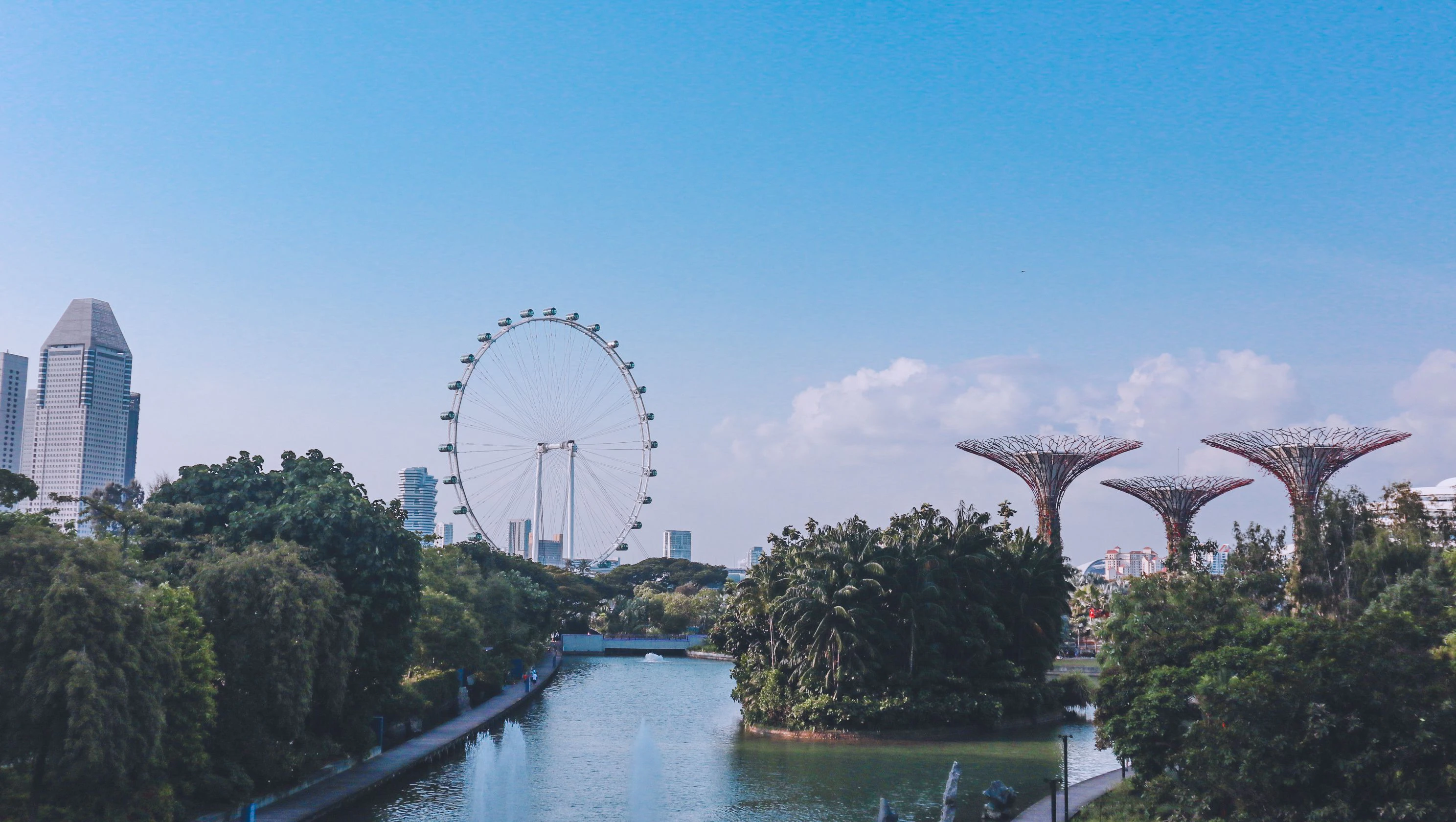
Gardens by the Bay has become one of the city's defining attractions.
The Supertree Grove creates one of Singapore's most recognisable landscapes, while the cooled conservatories provide a completely different experience from the tropical weather outside. Travellers particularly interested in horticulture can allow several hours, while those on a tighter schedule can focus on the outdoor gardens and Supertrees.
Visiting later in the afternoon also makes it easy to remain around Marina Bay into the evening.
See Marina Bay After Dark
Singapore's waterfront changes character once the sun goes down.
Take an evening walk around Marina Bay to see the illuminated skyline and waterfront architecture. This is an ideal first evening because it requires relatively little planning after a day of sightseeing.
Keep dinner flexible. A nearby food centre or casual restaurant can provide an easy introduction to Singaporean flavours without turning your arrival day into an overly structured schedule.
Day 2: Explore Chinatown, Little India and Kampong Gelam
Your second day can focus on the neighbourhoods that reveal Singapore's multicultural heritage.
Begin in Chinatown
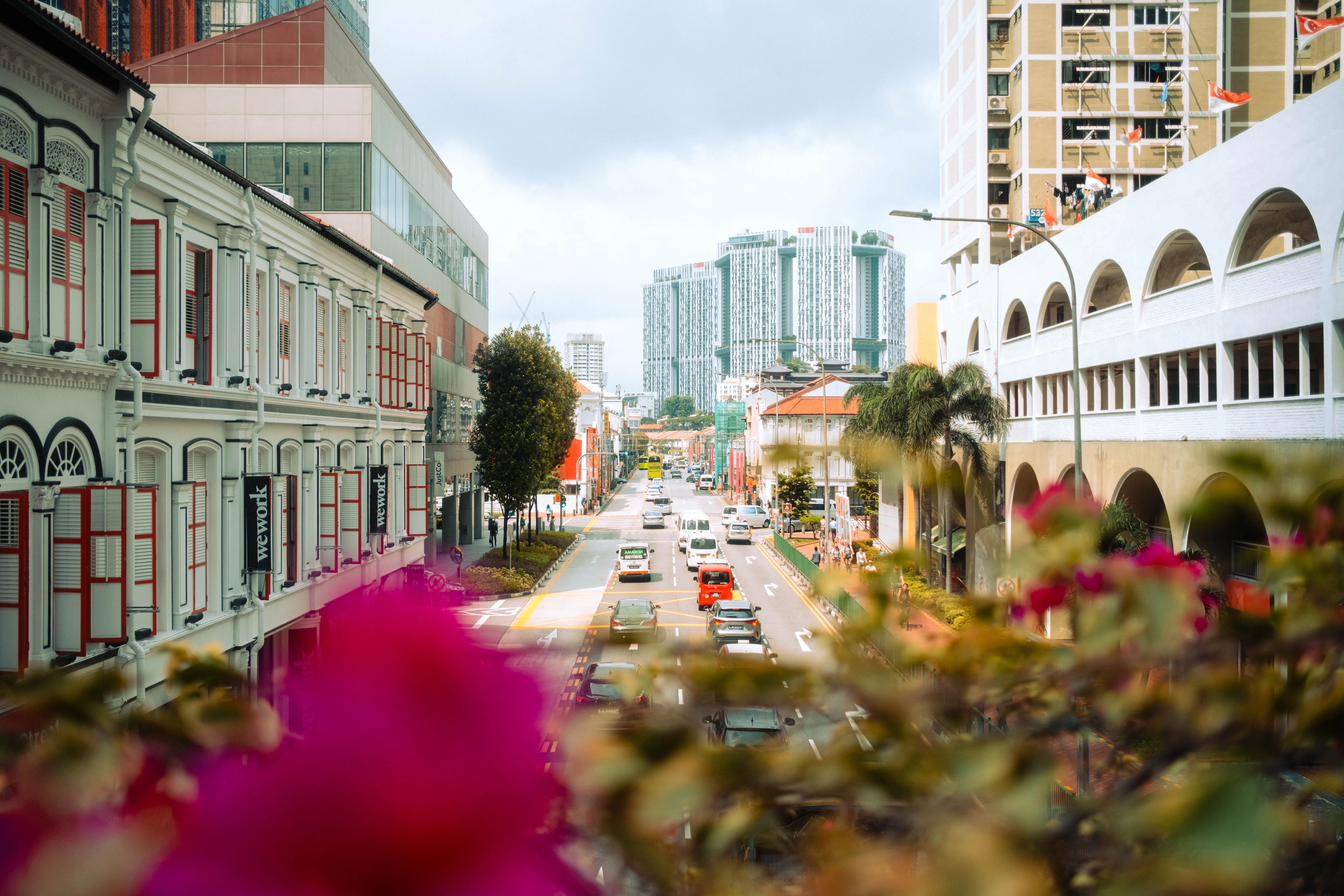
Chinatown combines temples, traditional shophouses, food and contemporary businesses within a compact area.
Allow time to walk rather than simply travelling between individual landmarks. Religious sites and heritage buildings sit close to restaurants and shops, making the neighbourhood particularly suited to independent exploration.
Food should be part of the experience. Stop for breakfast, lunch or a snack rather than treating the district purely as a sightseeing destination.
Continue to Little India
Little India introduces another side of Singapore through colourful streets, places of worship, shops and Indian cuisine.
The neighbourhood rewards travellers who pay attention to everyday details, from spice shops and flower garlands to restaurants serving dishes from different parts of the Indian subcontinent. Walk through the area at a comfortable pace and step inside religious sites when visitors are welcome, always following dress and photography guidelines.
Finish in Kampong Gelam
Spend the late afternoon or evening around Kampong Gelam, historically associated with Singapore's Malay and Muslim communities.
The golden dome of Sultan Mosque is one of the district's defining landmarks. Surrounding streets combine heritage architecture with cafés, shops and restaurants, giving the neighbourhood a lively contemporary character without losing its historical identity.
Visiting several cultural districts in one day can sound ambitious, but Singapore's compact geography makes the route manageable. The important thing is to avoid treating each neighbourhood as a quick photo stop.
Day 3: Discover Singapore's Green Side
Slow Down at Singapore Botanic Gardens
After two relatively urban days, shift the pace with a morning surrounded by greenery.
Singapore Botanic Gardens is more than a city park. UNESCO describes it as a cultural landscape that demonstrates the development of a British tropical colonial botanic garden into a modern institution for conservation, education and scientific research. It was established in 1859 and inscribed on the World Heritage List in 2015.
The gardens are extensive enough to reward several hours of exploration. Walk through tropical landscapes, seek out shaded areas and allow time simply to enjoy the surroundings rather than trying to cover every path.
Starting early is worthwhile because temperatures are generally more comfortable.
Choose Your Afternoon According to Your Interests
After the Botanic Gardens, keep the afternoon flexible.
Travellers interested in wildlife and nature can dedicate additional time to Singapore's greener attractions. Those who prefer contemporary culture can return towards the city for museums, galleries or shopping.
Alternatively, use the afternoon as deliberate downtime. Four days is long enough to enjoy Singapore without turning every hour into sightseeing. A long lunch, hotel pool or relaxed wander through a favourite neighbourhood can make the overall trip more enjoyable.
This is particularly useful for travellers using Singapore as a stopover between Australia and another long-haul destination.
Day 4: Eat Your Way Through Singapore
Make Hawker Culture Part of the Itinerary
Food deserves dedicated time on any Singapore itinerary for food lovers.
Singapore's hawker culture was added to UNESCO's Representative List of the Intangible Cultural Heritage of Humanity in 2020. UNESCO describes hawker centres as community dining spaces shaped by the city's Chinese, Malay, Indian and other cultures.
This means visiting a hawker centre is not simply an inexpensive way to eat. It provides an accessible introduction to Singapore's multicultural identity.
Try several smaller dishes rather than ordering one large meal. Travelling with a companion makes it even easier to share and sample more flavours.
What Food Should First-Time Visitors Try?
Singapore's food scene is broad enough that no single list can cover it, but several dishes provide a useful starting point.
Hainanese chicken rice is widely available and deceptively simple, combining poached or roasted chicken with aromatic rice and condiments. Laksa delivers richer flavours through a spicy coconut-based noodle soup, while satay brings skewered meat together with a savoury peanut sauce.
Other dishes to look for include char kway teow, kaya toast, roti prata and chilli crab.
Do not feel that every meal needs to feature a famous dish. One of the pleasures of Singapore is browsing a hawker centre and ordering whatever looks appealing.
Consider Sentosa for Family Attractions
Travellers prioritising family attractions in Singapore could substitute part of Day 4 with a visit to Sentosa. The island is one of Singapore's major leisure precincts, with beaches, entertainment, family-friendly attractions and resort facilities that can easily fill an afternoon or longer.
Rather than trying to combine Sentosa with every activity on Day 4, choose the experiences that best suit your group and leave enough time to enjoy them. Travellers more interested in food and neighbourhood exploration can follow the original itinerary instead.
Revisit a Favourite Neighbourhood
Use your final afternoon to return somewhere you enjoyed earlier in the trip.
Perhaps you want another walk through Chinatown, more time around Marina Bay or a second meal in Little India. Leaving this space open prevents the itinerary from becoming overly rigid and gives you an opportunity to follow discoveries made during your first three days.
For a short city stay, that flexibility can be more rewarding than adding another major attraction simply because it appears on a checklist.
What If You Only Have Two Days in Singapore?
A 2-day Singapore itinerary needs to focus on variety rather than completeness.
On day one, combine the Civic District, Marina Bay and Gardens by the Bay. This provides a strong introduction to both historic and contemporary Singapore.
Use day two for Chinatown and another cultural neighbourhood such as Little India or Kampong Gelam, followed by a hawker meal. If time allows, finish with another evening around the river or Marina Bay.
Skip attractions that require lengthy detours and resist the urge to cross the city repeatedly.
Two days will not reveal every side of Singapore, but thoughtful planning can still provide a meaningful introduction.
What If You Have Three Days in Singapore?
With three days, follow the first two days of the four-day itinerary before adding either Singapore Botanic Gardens or a more food-focused final day.
Nature lovers should prioritise the gardens. Travellers primarily interested in culture and cuisine might instead spend more time in local neighbourhoods and hawker centres.
A 3-day Singapore itinerary offers enough time to move beyond the headline attractions without requiring a particularly fast pace.
The difference between three and four days is mostly flexibility. A fourth day allows you to linger, revisit places and build downtime into the schedule.
How Do You Get Around Singapore Efficiently?
Use the MRT for Longer Journeys
Singapore's MRT is the backbone of an efficient short stay.
It connects the city centre with major neighbourhoods and visitor areas, making it unnecessary for most travellers to rely heavily on taxis. Stations and trains are generally straightforward to navigate and English is widely used on transport signage.
Group attractions geographically wherever possible. Even with efficient transport, repeatedly travelling back and forth across the city wastes valuable time.
Walk Within Individual Neighbourhoods
Once you arrive in Chinatown, Little India, Kampong Gelam or Marina Bay, walking is often the best way to explore.
Singapore is hot and humid throughout much of the year, so do not underestimate the conditions. Comfortable shoes, sun protection and water are essential.
Build indoor stops into the day as well. Museums, shopping centres, cafés and covered attractions can provide welcome breaks from afternoon heat or tropical showers.
Expert Travel Tips
Group attractions by neighbourhood. Singapore's transport system is efficient, but your short stay will feel much more relaxed if you avoid unnecessary journeys across the city. Combine Marina Bay attractions together and explore cultural districts in a logical sequence.
Start outdoor sightseeing early. Singapore's tropical climate can feel particularly warm and humid by midday. Visit gardens, neighbourhoods and outdoor landmarks earlier, then use the hottest part of the day for lunch, museums or indoor attractions.
Leave room for hawker meals. Do not fill your itinerary with restaurant bookings before you arrive. Hawker centres are an important part of Singapore's food culture and leaving a few meals unplanned gives you more freedom to explore.
Carry a compact umbrella. Tropical showers can arrive quickly, while the same umbrella can provide useful shade during sunny periods.
Use four days to slow down rather than simply adding more attractions. Singapore makes it easy to see a lot quickly, but an extra day is often better spent enjoying gardens, food and neighbourhoods at a gentler pace.
Frequently Asked Questions
Do Australians need a visa to visit Singapore?
Australian passport holders are not listed among Singapore's visa-required nationalities for a standard short visit, but entry remains subject to Singapore's immigration requirements. Travellers should check the latest advice from Singapore's Immigration & Checkpoints Authority and Australian Government Smartraveller before departure.
Travellers should ensure their passport meets Singapore's current validity requirements before travel. Most travellers must also submit an SG Arrival Card within three days, including the day of arrival, before entering Singapore.
Is four days enough for Singapore?
Yes. Four days is enough to experience Marina Bay, several cultural districts, Singapore's green spaces and its food culture without maintaining an exhausting pace. It also provides flexibility for museums, shopping or revisiting a favourite neighbourhood.
Is Singapore worth visiting for only two days?
Yes. Singapore's compact geography and efficient public transport make it particularly suitable for a two-day stopover. Focus on Marina Bay, Gardens by the Bay, one or two cultural districts and at least one hawker centre.
What is the best area to stay in Singapore for first-time visitors?
Central locations with convenient MRT access are generally the easiest choice. Areas around Marina Bay, the Civic District, Chinatown and Orchard provide different atmospheres, so consider whether sightseeing, dining, shopping or nightlife matters most to you.
What is the best time of year to visit Singapore?
Singapore can be visited throughout the year because temperatures remain warm and tropical. Rain is possible in any month, so seasonal differences are generally less important than they are in destinations with distinct cool and hot seasons. Packing for humidity and occasional heavy showers is useful regardless of your travel dates.
Is Singapore easy to get around without a car?
Yes. The MRT and bus networks make it straightforward to explore without hiring a vehicle. Walking is also practical within individual neighbourhoods, although the tropical heat means travellers should pace themselves.
What should I eat during my first trip to Singapore?
Popular starting points include Hainanese chicken rice, laksa, satay, char kway teow, roti prata and kaya toast. Hawker centres make it easy to sample several dishes and are also an important part of Singapore's living cultural heritage.
Is Singapore Botanic Gardens worth visiting on a short trip?
Yes, particularly if you want a break from dense urban sightseeing. The gardens are Singapore's only UNESCO World Heritage property and combine tropical landscapes with a long history of botanical research and conservation.
Do I need to complete an arrival card for Singapore?
Most travellers must submit the electronic SG Arrival Card before entering Singapore. Singapore's Immigration & Checkpoints Authority states that it should be submitted within three days, including the day of arrival. The SG Arrival Card is not a visa.
References
Singapore Immigration & Checkpoints Authority: Entering Singapore
Singapore Immigration & Checkpoints Authority: Visa Requirements
Make the Most of Four Days in Singapore
Singapore's appeal as a short-stay destination comes from how much variety it offers without demanding complicated logistics. In four days, you can walk through historic cultural districts, eat dishes shaped by generations of migration, explore internationally significant gardens and watch the skyline illuminate around Marina Bay.
Just as importantly, a Singapore short-stay itinerary does not need to feel rushed. Efficient transport and compact neighbourhoods create more time for the experiences between major attractions, whether that means lingering over breakfast at a hawker centre, exploring a side street in Kampong Gelam or spending a quiet morning among tropical greenery.
For Australians travelling through Asia, Singapore can work equally well as a dedicated city break or a rewarding stopover before continuing further afield. Entire Travel Group can help connect Singapore with a broader Asian holiday, giving you the opportunity to experience the city's food, culture and green spaces as part of a thoughtfully planned journey.